Τμήμα Ωκεανογραφίας και Θαλασσίων Βιοεπιστημών
- +30 22510 36800
- secr-marine@aegean.gr

MARINE BIODIVERSITY AND ECOSYSTEMS MANAGEMENT
Marine Biodiversity and Ecosystems Management
Marine biodiversity has long suffered from lack of adequate information about the ocean’s many species and ecosystems. Nevertheless, even as we are learning much more about the ocean’s biodiversity and how it is affected by stressors such as overfishing, habitat destruction, and marine pollution, climate change imposes new challenges exacerbating existing threats to marine ecosystems.
Modern strategies and practices promising marine ecosystem sustainability tend to integrate into biodiversity conservation, fisheries management and protection measures, as e.g. the establishment of Marine Protected Areas. The latter are characterised as “a conservation tool of revolutionary importance that is being incorporated into the fisheries mainstream”. Especially, after the Reykjavik Declaration (2001) on Responsible Fisheries in the Marine Ecosystem the way of thinking is radically changed, so that fisheries management starts with the ecosystem rather than a target species.
Main focuses in this research working group are the structure and functioning of the biocommunities, promotion of biodiversity conservation and ecosystem-based management in a holistic approach to achieve sustainable exploitation of the marine biological resources.
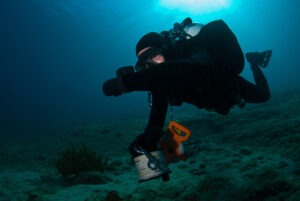
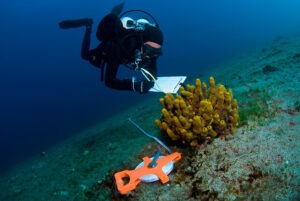
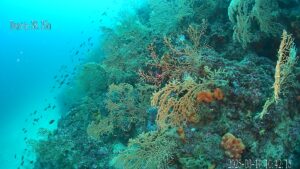
- Benthic Biocommunities
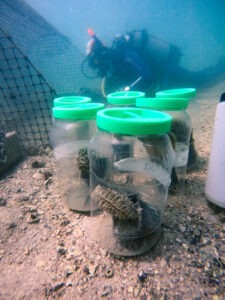
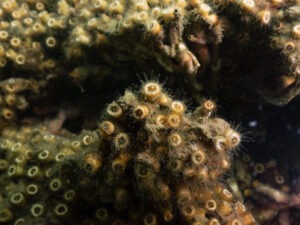
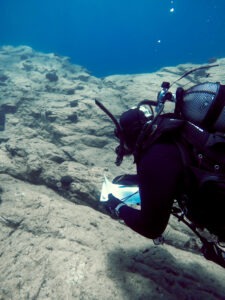
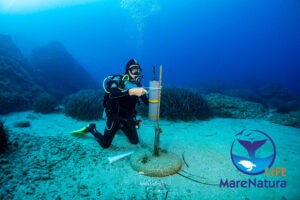
Research is focused on improving our understanding of the structure and functioning of the benthic communities in coastal and bathyal ecosystems and their relationship to the abiotic environmental properties. Basic component of the research is the investigation of the impact of various anthropogenic activities (e.g. fisheries, aquaculture, coastal infrastructure) on the marine biota and habitats as well as the development of techniques and methodologies for environmental ecological monitoring within the framework of the National and European legislation and policies.
- Biodiversity and Conservation
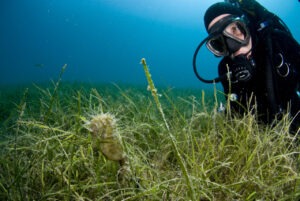
The Mediterranean is a ‘biodiversity hot spot’. Our research focuses on the investigation of the bio-geographical and ecological patterns regarding marine biota of the Greek Seas and the Mediterranean. Emphasis is given in the natural or/and anthropogenic processes affecting these patterns (e.g. influence of the Black Sea, Indo-Pacific and Atlantic Oceans waters, shipping activities, alien and invasive species, interactions with aquaculture). MPAs have the potential to effectively conserve biodiversity by protecting species, habitats and ecosystem functions from the damaging effects of overfishing and other anthropogenic pressures (www.medpan.org). Our research focuses on conservation and management issues in Greek MPAs and particularly the National Marine Park of Zakynthos (a major reproduction and nesting area within the Mediterranean for the endangered loggerhead sea turtle Caretta caretta)(www.nmp-zak.org).
- Life-cycle Biology and Stock Management
Particular emphasis is placed on the life-cycle and population dynamics of commercial interest invertebrates and fish, aiming at an improved understanding of stock characteristics in order to develop and suggest effective policies and management plans for the rational exploitation of these resources in the Mediterranean. Furthermore, we are exploring the accuracy of management indices and reference points in fish stocks under varying levels of exploitation, with emphasis on the uncertainties arising from natural variability, environmental change and measurement errors by developing and applying biological or statistical models to various fisheries. This research aims at the understanding of the environmental causes of variability in survival and growth rates, and age at maturity of fish. The research improves our ability to assess conservation risks associated with fishing, climatic change, and other natural and/or anthropogenic disturbances, as well as fish biomass available for harvesting. In addition to classical statistical analysis, other quantitative methods, such as Bayesian Statistics, Multivariate Time Series Analysis, and Artificial Neural Networks are used. Finally, advanced stock assessment methods are utilised based on underwater acoustics, particularly on the estimation of abundance and habitat classification of biological resources.
- Fisheries Acoustics Technology
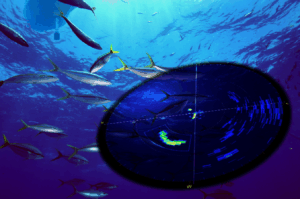
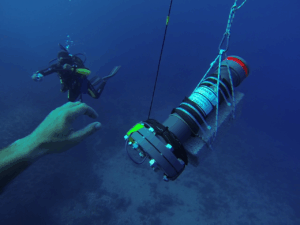
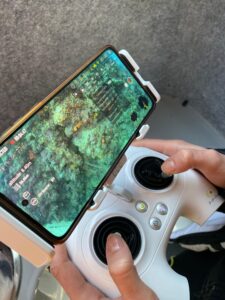
Underwater acoustic technologies are among the most effective approaches for monitoring of marine areas and have been used to study marine life behaviour, seasonal changes in biomass distribution and interrelations to its habitat. The essential objective of our fisheries acoustics research is the improvement of the existing methods for biomass estimation (developing and implementing new algorithms in software) rather than just utilising existing echo sounding systems. These innovations improve the objectivity of species identification and the precision of the biomass assessment. Signal processing includes multi-frequency analysis and multi-beam sonar in vertical and horizontal echo-sounding.
- Personnel
- Equipment
- Research projects
- Publications
- Collaborations
- Research products
Labοratory Director
Academic staff

ETEP/EDIP
Postdoctoral researchers
- Community and functional ecology of marine and transitional ecosystems
- Modeling of the interactions between marine invasions and native food webs
- Estimation of environmental impacts of human pressures on marine ecosystems
- Development and applications of ecosystem models
- Applications of cumulative effects assessments in marine ecosystems

- Analysis and modeling of Vessel Monitoring System (VMS) data
- Spatial analysis and geostatistics
- Geographic information systems, webGIS
- Regression modeling and multi-criteria decision analysis with application in fisheries science
- Marine spatial planning, ecosystem-based marine spatial management
- Fisheries management
PhD Candidates

Postgraduate students
Research assοciates

Equipment
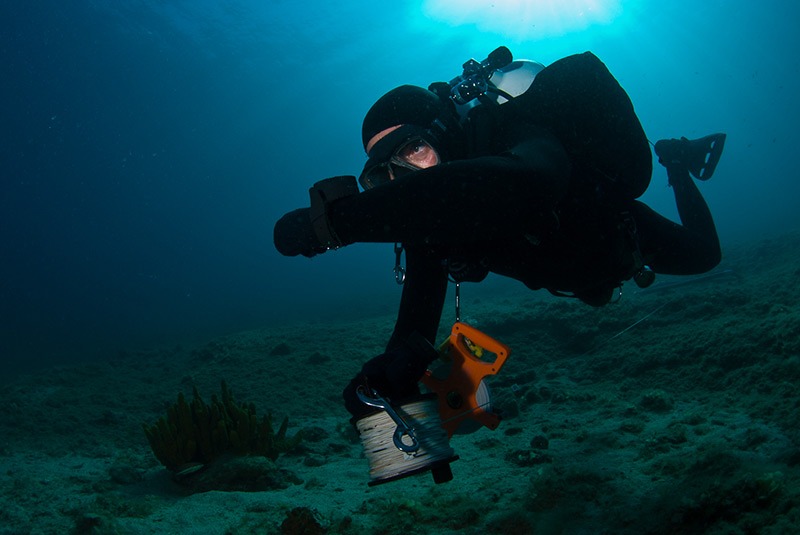
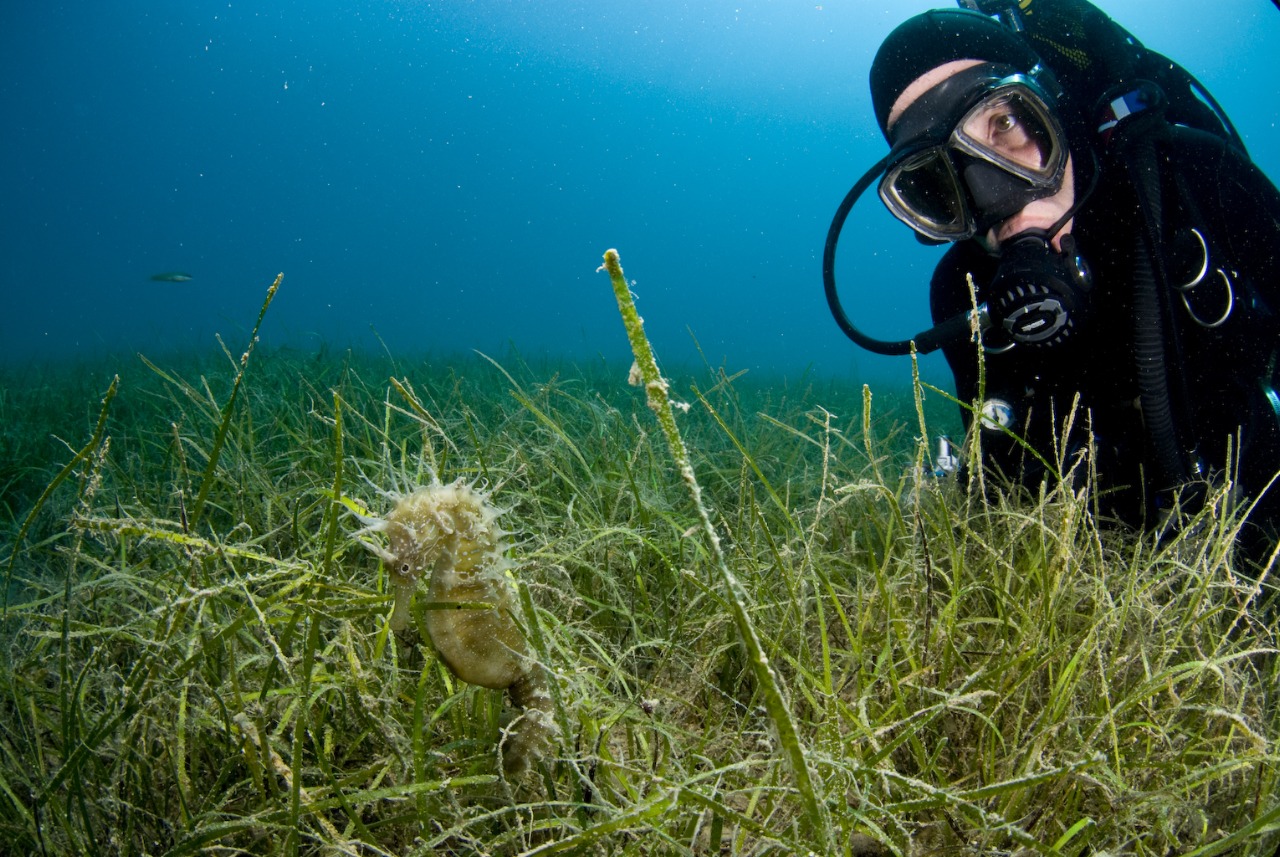
- Σετ αυτόνομης κατάδυσης – ρυθμιστές πίεσης και πλευστότητας (×4),
- Καταδυτικές φιάλες (×12),
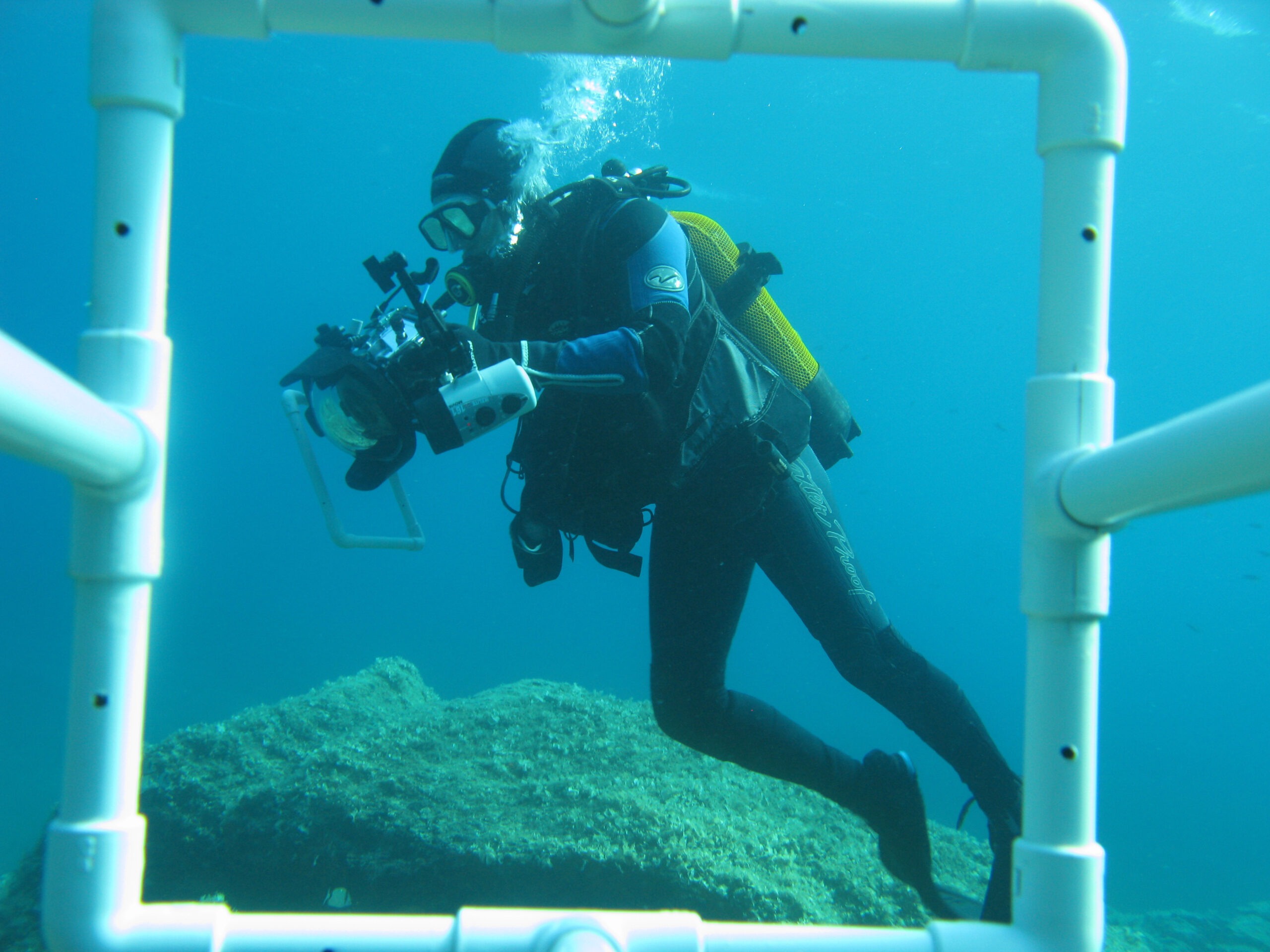
- Σετ υποβρύχιας φωτογράφησης (×3),
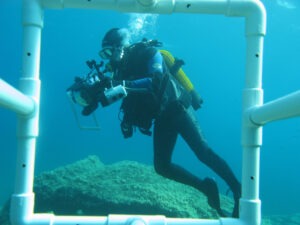
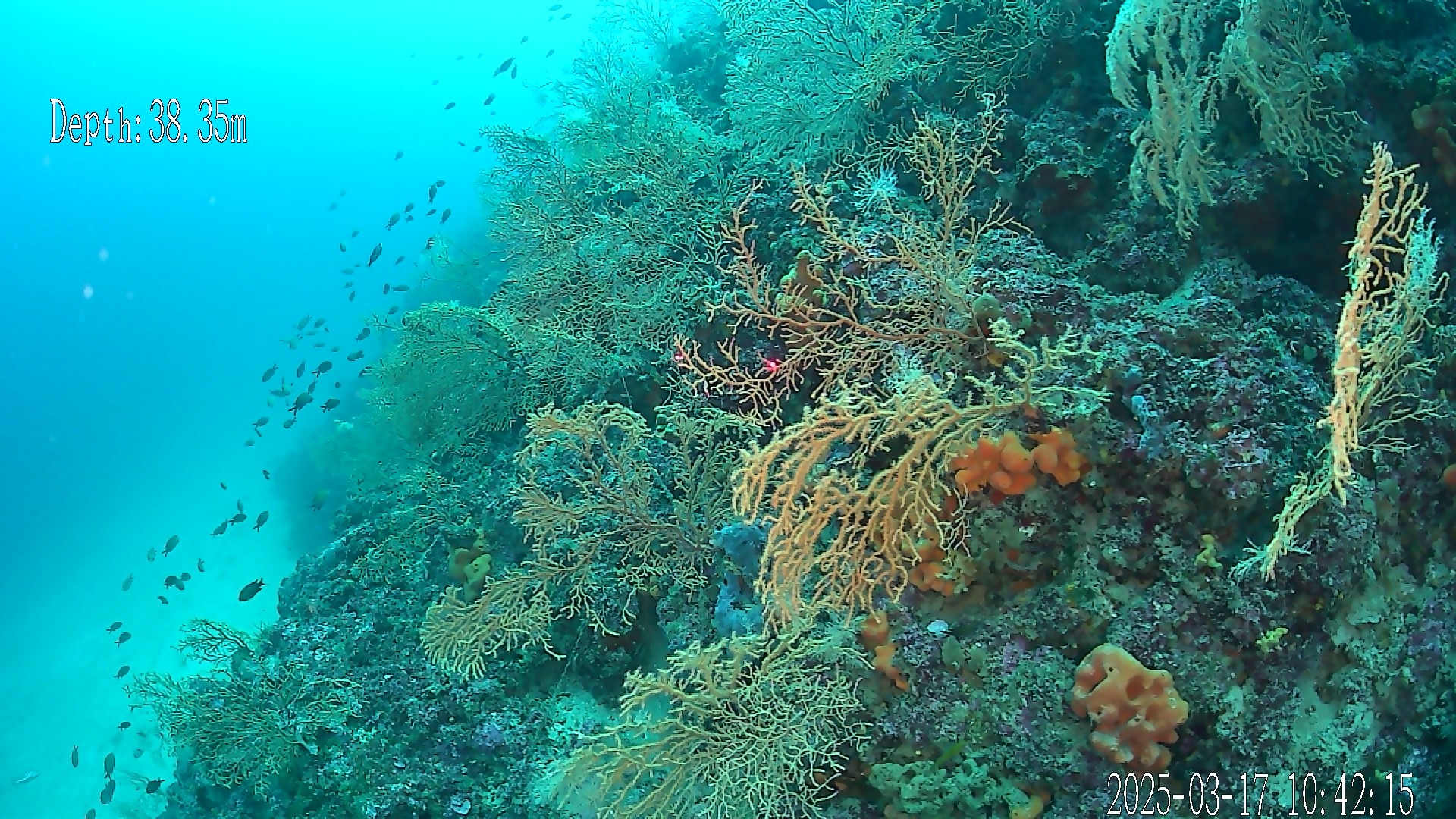
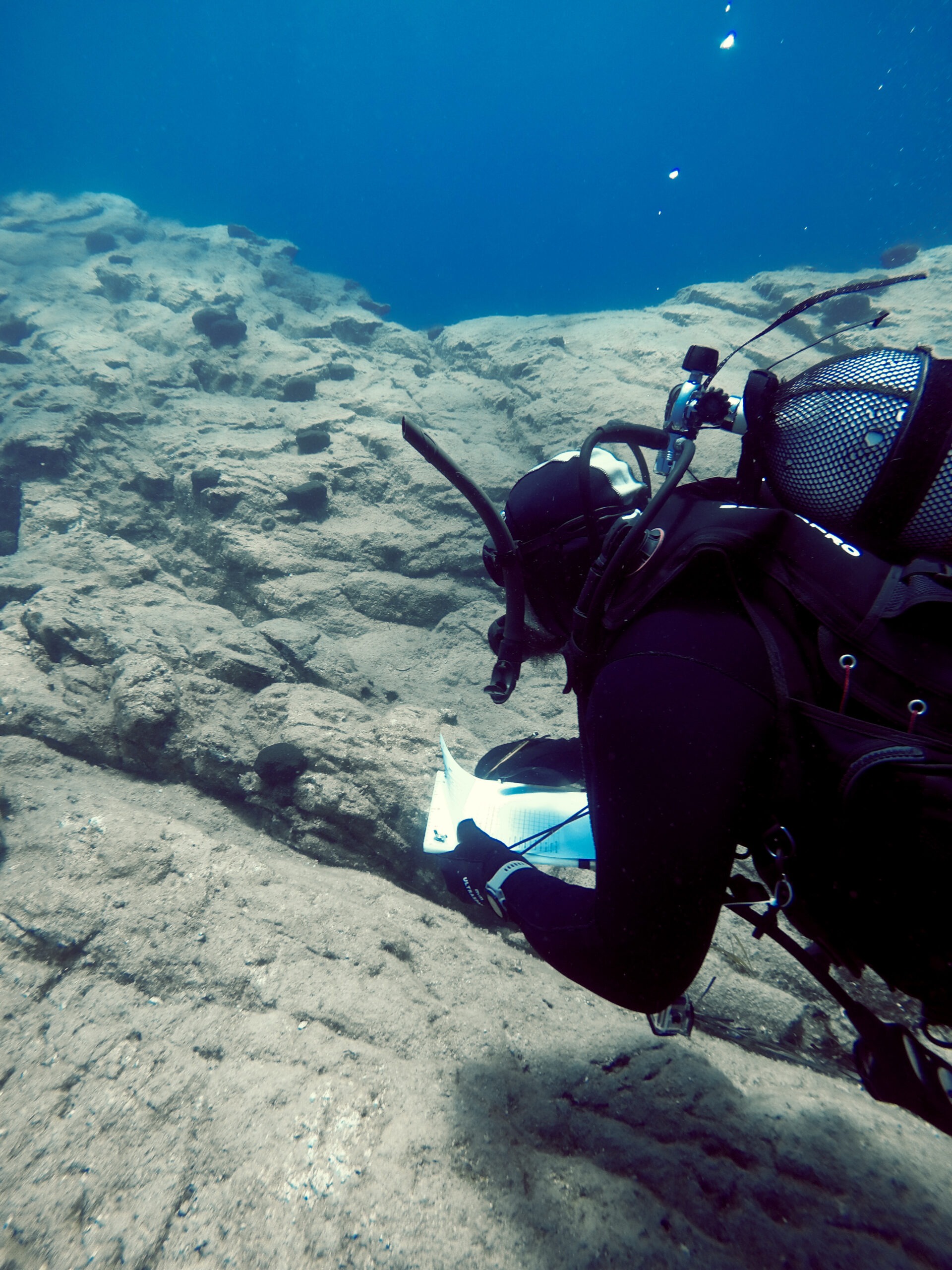
- Αυτόνομο σύστημα υποβρύχιας φωτογράφησης για λήψη σταθερού κάδρου σε προκαθορισμένα χρονικά διαστήματα (time-lapse imagery),
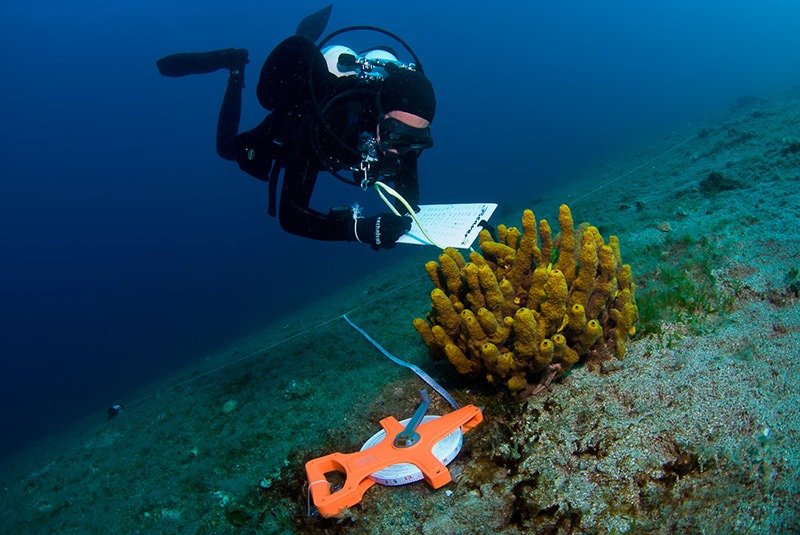
- Φωτογραφικά πλαίσια (photo-quadrats) τυποποιημένων διαστάσεων, και λοιπά εργαλεία υποβρύχιας δειγματοληψίας (πίνακες, μετροταινίες, βαθμονομημένοι μίτοι, σημαδούρες),
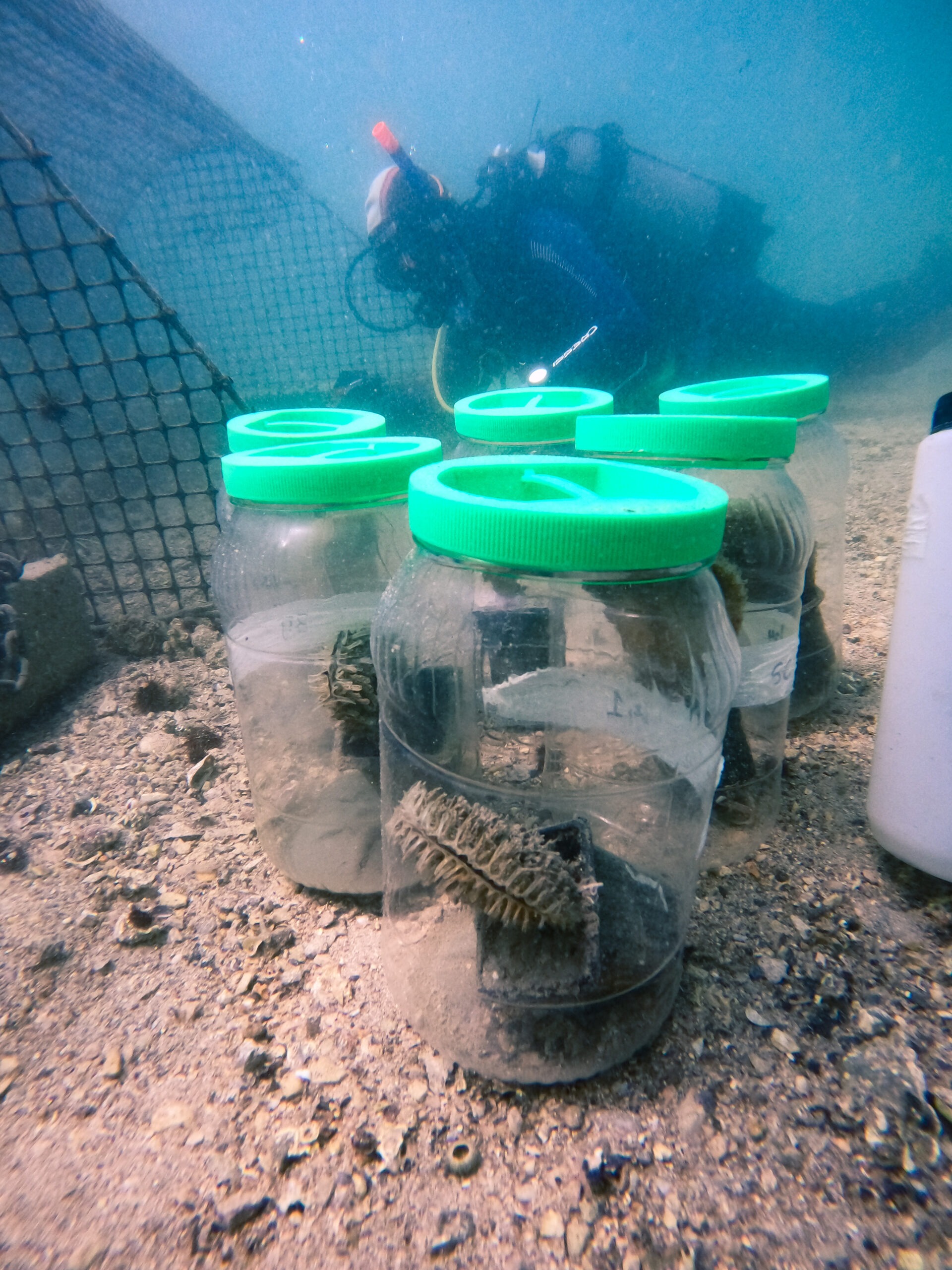
- Πειραματικοί κλωβοί.
- Δειγματολήπτες ιζήματος τύπου αρπάγης Van Veen και πυρηνολήπτες (×2),
- Σύστημα ανάλυσης ιζημάτων,
- Πεχάμετρο και οξυγονόμετρο,
- Οπτικό φορητό διαθλασίμετρο για τη μέτρηση άλατος και δυναμικού οξείδωσης ιζήματος,
- Αυτόνομοι καταγραφείς θερμοκρασίας (×8).
- Split-beam echosounder Simrad ES120-7C (120 kHz) and Simrad ES60 GPT for fish stock assessment,
- Echosounder Simrad COMBI-C 38/200 (38 & 200 kHz) and Simrad ES70 GPT for seafloor classification,
- Simrad HS70 GPS smart antenna compass,
- Simrad ST850V dromometer,
- Embedded box computers for echosounders (Simrad ARK-2120L, ×2),
- Hydrophone (HTI-96-MIN) with Song Meter SM4 Acoustic Recorder (Wildlife Acoustics),
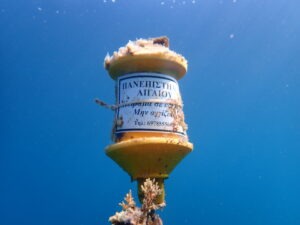
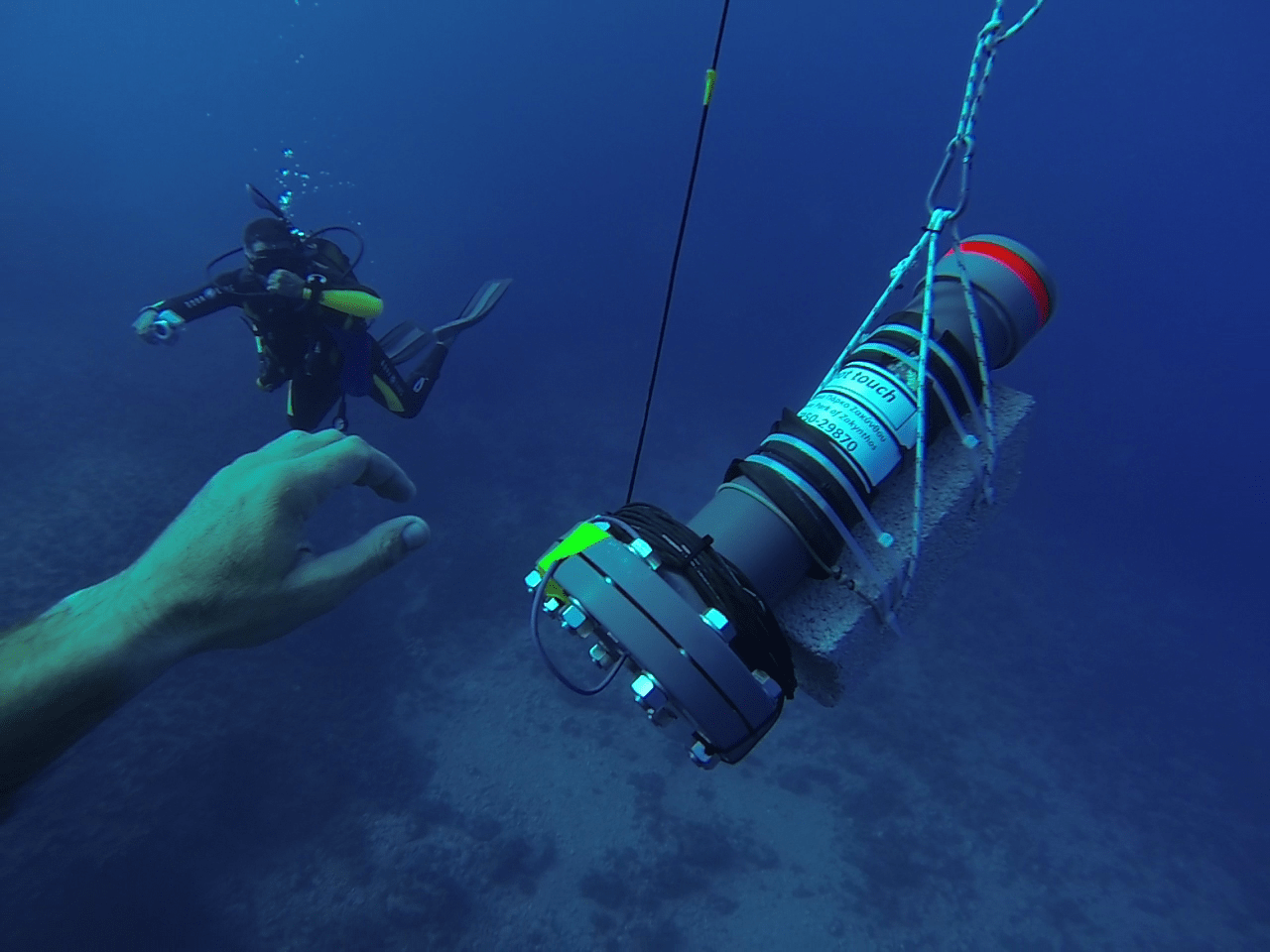
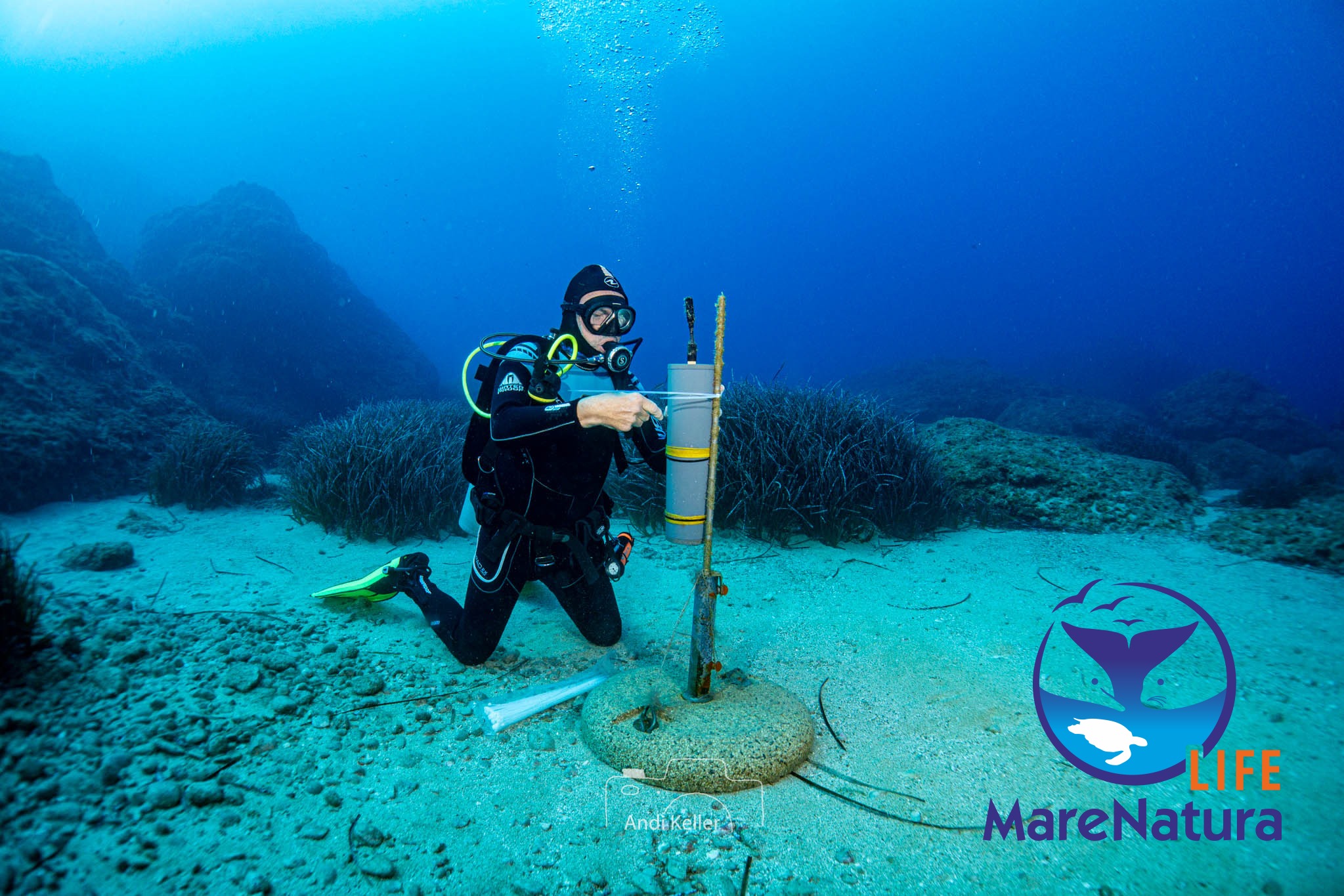
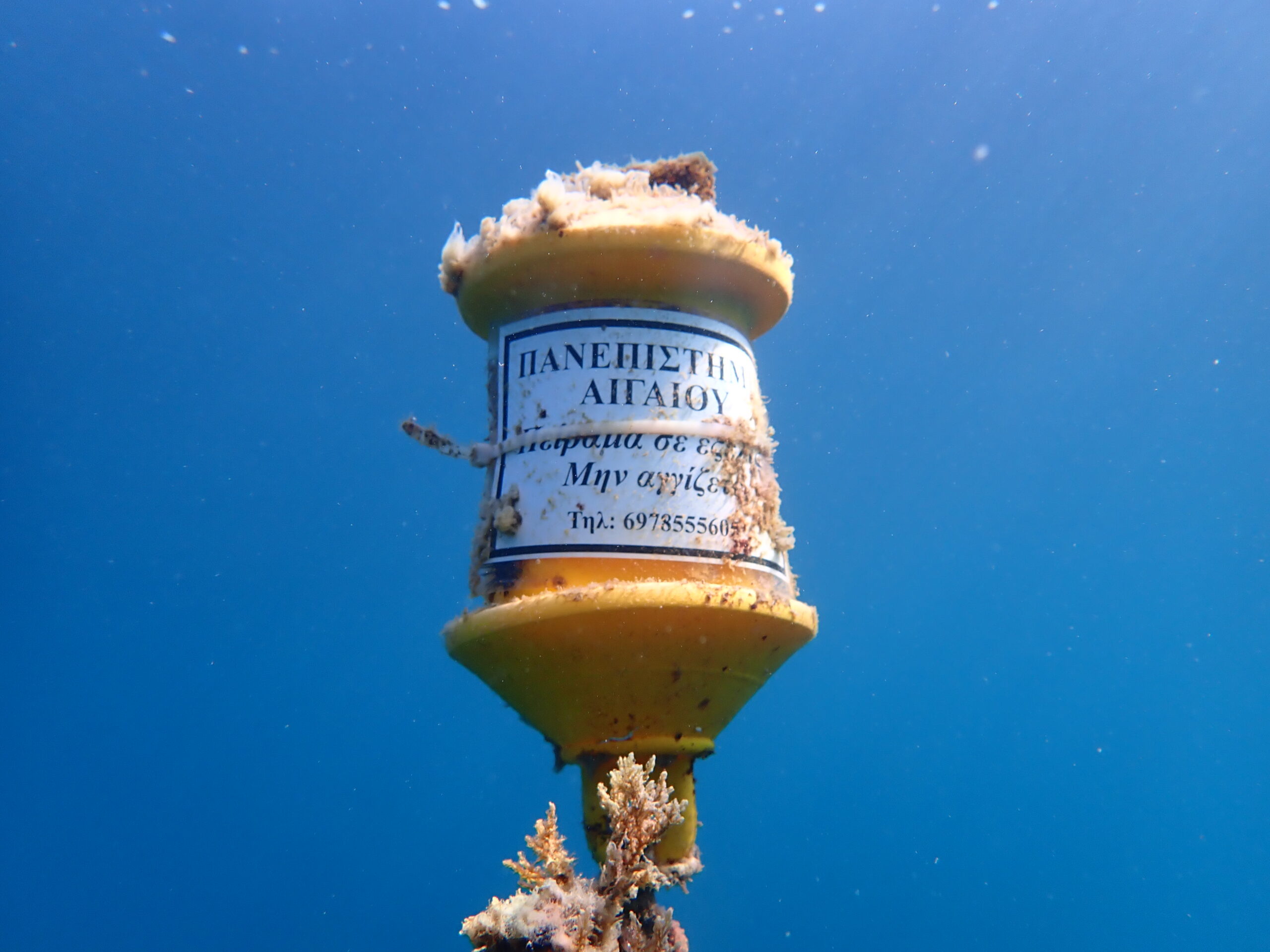
- Autonomous passive acoustic buoys of varying dimensions and specifications, equipped with Sensor Technology SQ26-08 hydrophones (×4),
- Lubell LL9162Τ underwater speaker,
- Generic lab equipment (Peavey IPA 300T Industrial Power Amplifier, TG315 function generator, analog and digital oscilloscopes Goldstar OS-9100P και HAMEG HM205-2, Inverters 1.5 kW and voltage regulators),
- Hydroacoustic scientific software tools (Echoview, Fledermaus, OLEX, Raven Pro).
- Ερευνητικά και εκπαιδευτικά στερεοσκόπια,
- Ερευνητικά και εκπαιδευτικά μικροσκόπια,
- Συστήματα μικρο-φωτογράφησης και καταγραφής βίντεο για μικροσκόπια και στερεοσκόπια.
Research projects
Running
LIFE MAPPER | Guidelines for MAPping, ProtEcting, and Restoring Marine Ecosystems
Recent research highlights that vast areas of EU marine habitats remain unmapped, with existing maps often lacking detailed biological data on species and communities. To address this, comprehensive guidelines are needed to systematize habitat information across EU marine regions and align efforts with directives like the Marine Strategy Framework Directive, the Habitats Directive, and the EU Biodiversity Strategy 2030. LIFE MAPPER initiative seeks to consolidate current knowledge and best practices in marine habitat mapping and restoration.
More
- Project title: Guidelines for MAPping, ProtEcting, and Restoring Marine Ecosystems
- Call: LIFE-2024-PLP
- Type of Action: LIFE-PJG
- Acronym: LIFE24-PRE-IT-LIFE MAPPER
- Number: 101213793
- Duration: 36 months
- Start Date: 01 May 2025
- Estimated Project Cost: €1,290,850.61
- Requested EU Contribution: €1,161,765.55
- Coordinated by: CNR ISMAR
Summary:
Healthy marine habitats are vital for maintaining marine biodiversity and providing ecosystem services like food supply and climate regulation. However, decades of intensive exploitation and poor management have led to degradation of many European marine habitats, weakening larger ecosystems and reducing their resilience to climate change. The EU has introduced the Nature Restoration Law to halt biodiversity loss and restore ecosystems, positioning itself as a global leader in addressing environmental crises. Recent research highlights that vast areas of EU marine habitats remain unmapped, with existing maps often lacking detailed biological data on species and communities. To address this, comprehensive guidelines are needed to systematize habitat information across EU marine regions and align efforts with directives like the Marine Strategy Framework Directive, the Habitats Directive, and the EU Biodiversity Strategy 2030.
LIFE MAPPER initiative seeks to consolidate current knowledge and best practices in marine habitat mapping and restoration.
LIFE MAPPER Objectives:
- Develop guidelines for mapping marine habitats, selecting suitable technologies, and conducting a cost/benefit analysis of mapping benthic habitat types;
- Create methodologies to assess habitat quality, quantity, and connectivity, and identify reference conditions for both habitats and species;
- Provide guidelines for selecting restoration methods, identifying knowledge gaps, and estimating costs for habitat restoration;
- Develop a framework for prioritizing conservation and restoration actions to maximize ecological benefits and optimize resource allocation.
LIFE MAPPER will deliver its results through the LIFE MAPPER Manual and the Knowledge Platform. By working with EU Member States, the European Commission, and relevant agencies, LIFE MAPPER will help advance the implementation of environmental directives, ensuring effective marine conservation and restoration across Europe.
Contact details:
Federica Foglini (Project coordinator), federica.foglini@cnr.it
Partnership:
- CONSIGLIO NAZIONALE DELLE RICERCHE CNR (COORDINATOR) (IT)
- UNIVERSITA POLITECNICA DELLE MARCHE UNIVPM (IT)
- UNIVERSITA DEGLI STUDI DI NAPOLI FEDERICO II UNINA (IT)
- Space42 Europe (IT)
- PANEPISTIMIO AIGAIOU UNIVERSITY OF THE AEGEAN (GR)
- UNIVERSITY OF GALWAY OLLSCOIL NA GAILLIMHE (IRL)
- ISTITUTO SUPERIORE PER LA PROTEZIONE E LA RICERCA AMBIENTALE (IT)
GreenList4MMPAs | Green List for Mediterranean Marine Protected Areas

GreenList4MMPAs is a project, funded by the Interreg Euro-MED programme, which aims to promote effective and equitable management of Marine Protected Areas (MPAs) in the Mediterranean Region. Bringing together six partners from five different countries, the project will explore how the IUCN Green List can be used to help Mediterranean MPAs achieve their environmental and socioeconomic objectives. The Green List is a program of certification for Protected and Conserved Areas that are effectively managed and fairly governed. Over 27 months and with a total budget of €600,000, the GreenList4MMPAs project will identify how the Green List Standard can be applied to assess, improve and maintain the performance of Mediterranean MPAs.
ALAS | ALiens in the Aegean - a Sea under siege
ALAS is a three-year long research project being conducted in Greece by the Marine Biodiversity and Ecosystems Management Lab of the Department of Marine Sciences at the University of the Aegean. ALAS will fill many knowledge gaps on the impacts of marine invasive alien species and the spatial extent and variation of such impacts, and will contribute in improving our understanding of the mechanisms of impacts of invasive alien species on marine ecosystems. The project focuses on under-studied alien-native interactions, priority and vulnerable habitats (such as marine caves and shallow forests of canopy algae), and applies a multitude of approaches (such as field experiments, large-scale surveys, satellite imaging and remote sensing, species distribution modelling, and cumulative impacts assessments). It aims to provide answers to important ecological questions on the mechanisms of alien species impacts that will assist marine managers in better decisions of actions for marine conservation and halting biodiversity loss in the region.
Funding: Hellenic Foundation for Research and Innovation under the “First Call for H.F.R.I. Research Projects to support Faculty members and Researchers and the procurement of high-cost research equipment grant”.
PinnaSOS | Conservation of the critically endangered fan mussel Pinna nobilis in the Aegean Sea
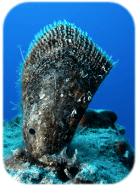
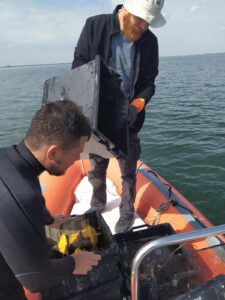
The Mediterranean Sea endemic fan mussel Pinna nobilis has suffered from an ongoing Mass Mortality Event due to pathogen infection, since 2016. PinnaSOS aims to protect the remaining Pinna nobilis populations in the Aegean Sea, with a focus on the population of Kalloni Gulf, which is the most important population of the species in the eastern Mediterranean, with an estimate of ~1,000,000 live individuals. Based on 2020 data, the fan mussel population of Kalloni Gulf is the only known important remaining population of the species in the Aegean Sea.
Funding: Internal funding from the Department of Marine Sciences and the Research Unit of the University of the Aegean.
More
Conservation of the critically endangered fan mussel Pinna nobilis in the Aegean Sea
Pinna nobilis is a marine bivalve mollusk, commonly known as noble pen shell or fan mussel. It is one of the largest bivalves in the world and the largest in the Mediterranean Sea, where it is endemic. The average anterio-posterior length of adult individuals is 30-50 cm but it can reach 120 cm. Its lifespan commonly exceeds 20 years and can even reach 45 years. P. nobilis occurs at depths ranging between 0.5 and 60 m. It usually inhabits seagrass meadows but it can also be abundant in macroalgal beds, unvegetated soft bottoms, estuaries or sandy patches among rocky bottoms.Background
Various human stressors have caused the decline of fan mussel populations across the Mediterranean basin. The species has been formerly targeted for its meat and byssus from which sea silk was produced. It is currently strictly protected under the EU Habitats Directive (92/43/EEC, Annex IV), the Protocol for Specially Protected Areas and Biological Diversity in the Mediterranean of the Barcelona Convention (Annex II), and the national legislation of most Mediterranean countries. Nevertheless, it is still illegally exploited and marketed in many countries. Despite protection, in the last decades its populations have been declining, due to direct threats such as fishing activities and anchoring, illegal collection by divers for food or decorative purposes, and indirect threats such as habitat loss or degradation.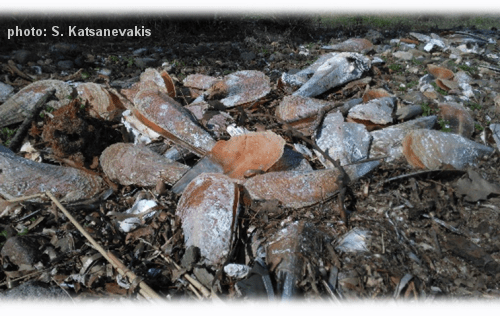
A mass mortality event (MME) of P. nobilis started in autumn 2016 in the SE coasts of the Iberian Peninsula, with mortality rates exceeding 90% within a few weeks. Histological examination of affected individuals showed heavy inflammatory host response and severe general dysfunction By June 2017, the MME had expanded northwards and eastwards in additional locations of the Spanish coastline, in France and Italy. In 2018, similar MMEs were reported in Greece, Cyprus, Turkey, Algeria, Tunisia, Morocco and Croatia with mortality rates often reaching 100%. Two pathogens have been detected and associated with the disease of fan mussel populations: a newly described, highly species-specific cryptogenic protozoon, named Haplosporidium pinnae and a Mycobacterium sp. In Greece, the infection of fan mussel populations was first observed in 2018 and within two years it caused the collapse of most fan mussel populations.
The PinnaSOS project
PinnaSOS aims to protect the remaining Pinna nobilis populations in the Aegean Sea, with a focus on the population of Kalloni Gulf, which is the most important population of the species in the eastern Mediterranean, with an estimate of ~1,000,000 live individuals.Actions scheduled in the framework of PinnaSOS
- Exhaustive shallow census in the Aegean Sea, especially in Natura 2000 sites as well as in a large number of other sites in which the presence/abundance of P. nobilis had never been investigated in the past.
- Deep surveys in the Aegean Sea to investigate potential surviving populations.
- Larvae collectors will be deployed to investigate the population dynamics and recovery potential of P. nobilis populations in the Kalloni Gulf.
- Monitoring and mapping of the surviving population in Kalloni Gulf; promoting all needed actions in collaboration with local authorities to establish a protected area, where all boat activities are restricted and any kind of commercial or recreational fishing is prohibited, so that the surviving fan mussel population is adequately protected.
- Dissemination actions to increase public awareness and promote the participation of citizens in the efforts to save P. nobilis from extinction.
PinnaSOS publications
- Katsanevakis S, Tsirintanis K, Tsaparis D, Doukas D, Sini M, Athanassopoulou F, Kolygas MN, Tontis D, Koutsoubas D, Bakopoulos V, 2019. The cryptogenic parasite Haplosporidium pinnae invades the Aegean Sea and causes the collapse of Pinna nobilis populations. Aquatic Invasions 14(2): 150–164.
- Zotou M, Gkrantounis P, Karadimou E, Tsirintanis K, Sini M, Poursanidis D, Azzolin M, Dailanis T, Kytinou E, Issaris Y, Ramfos R, Akrivos V, Spinos E, Dimitriadis C, Lattos A, Giantsis I.A., Michaelidis B, Vassilopoulou V, Miliou A, Katsanevakis S, in preparation. Mass mortality of Pinna nobilis: its status in the Greek Seas.
MARCONS | Advancing marine conservation in the European and contiguous seas

The MarCons COST Action CA15121 will consolidate a network of scientists and stakeholders who are involved in marine conservation in European and contiguous seas. By advancing the science of integrated conservation planning, promoting regional coordination and transboundary conservation, proposing specific conservation actions, accounting for climatic change and biological invasions, and providing guidance for assessing governance issues to make marine spatially managed areas more effective, this COST Action aims to bridge the gap between conservation science and policy makers and substantially contribute to the challenge of halting biodiversity loss in the European Seas by 2020.
Partners: UAegean (coordinator). Tens of scientists and research institutions from 26 European countries participate in the network’s actions.
Funding: European Cooperation in Science and Technology (COST)
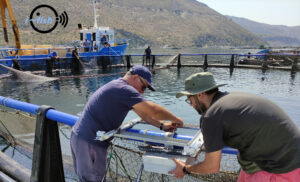
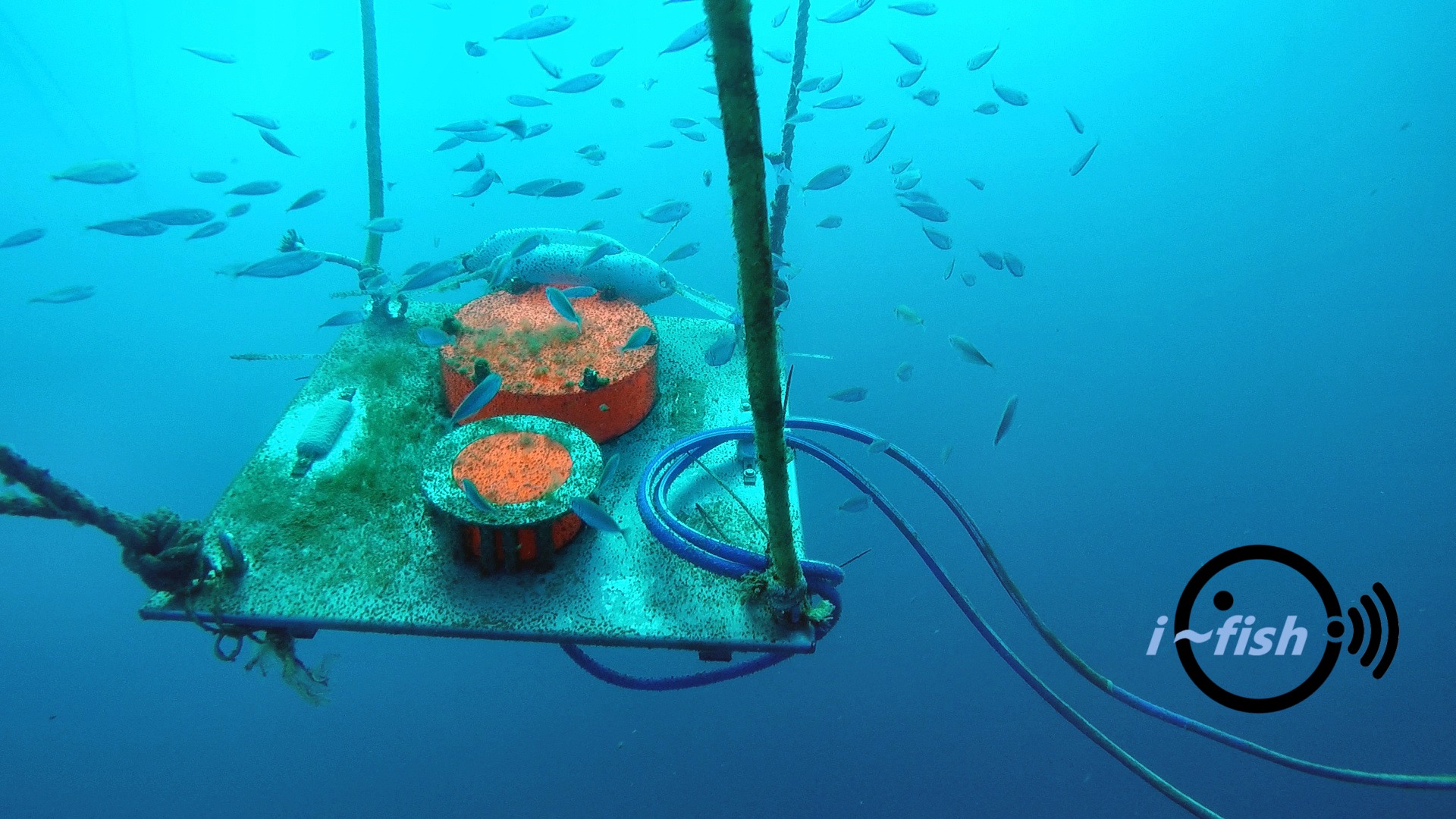
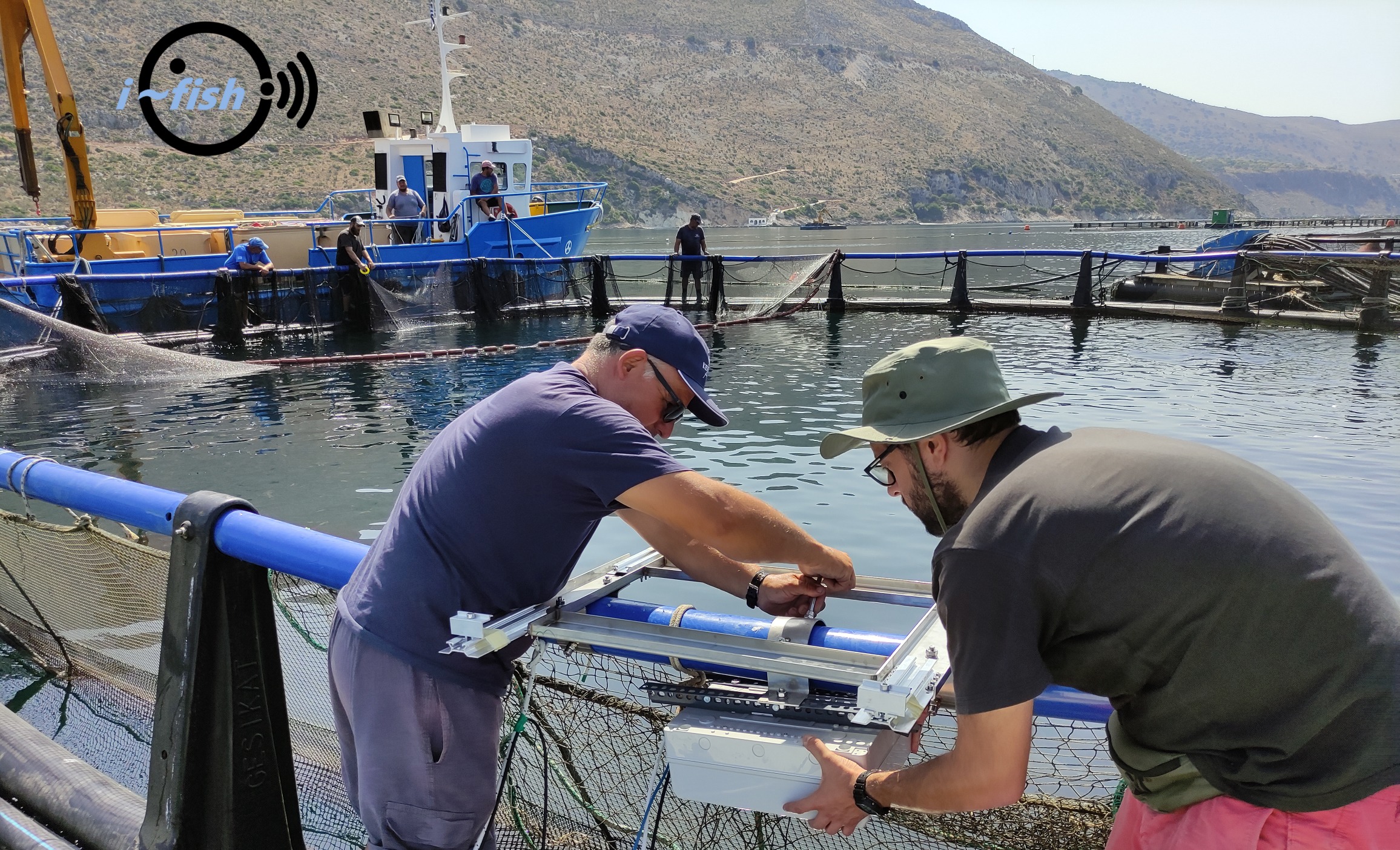
i-Fish | Application of smart systems for enhanced fish management and welfare in cage aquaculture
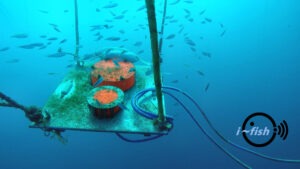
The project will develop and implement an operational multi-sensor system for real-time monitoring of aquaculture sea cages using optical and acoustic systems.
Partners: HCMR (coordinator), Technical Univ. of Crete, UAegean, Kefalonia Fisheries
Funding: European Maritime and Fisheries Fund
MODIAS | Assessment of the impacts of biological invasions in the Aegean Sea trophic webs using an ecosystem modeling approach
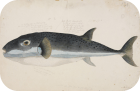
The research project MODIAS aims to advance our state of knowledge regarding the cumulative impacts of biological invasions, fisheries and Climate Change in the South Aegean Sea by the development of the first ecosystem models for the study area. These models will be used to assess for the first time the historical effects of these stressors on the study ecosystem and also make predictions under different scenarios regarding the invasion regime, fisheries management, and Climate Change. The results of the project are expected to advance our knowledge regarding the process of biological invasions in the Eastern Mediterranean and also inform fisheries management and systematic planning of marine conservation of the significantly impacted marine ecosystem of the region.
Partners: UAegean (coordinator), Institute of Marine Sciences in Barcelona – Spain (ICM-CSIC), Israel Oceanographic & Limnological Research
Funding: Hellenic Foundation for Research and Innovation, General Secretariat for Research and Technology
Development of novel methodologies for studying marine food webs
The project aims to develop new methodologies for the study of the structure and function of coastal hard substrate food webs. Underwater visual surveys will be used for the quantification of food webs, in areas ofvarying fishing pressure. The project is expected to provide valuable tools for the systematic assessment of the marine ecosystem, in the framework of an ecosystem-based approach.
Partners: UAegean
Funding: European Social Fund, Youth Employment Initiative
Completed
MARISCA | Marine spatial conservation planning in the Aegean Sea

The project aims to contribute towards the protection and conservation of biodiversity in the context of an integrated Marine Spatial Plan (MSP) in the Aegean Sea. A network of Marine Protected Areas (MPAs) and protection zones will be proposed for the conservation of all important and vulnerable habitats and species, as defined by national and community legislation and international agreements. The study area covers the coastal and marine ecosystems of the Aegean Sea, Greece.
Partners: UAegean (coordinator), HCMR, IMR
Funding: EEA GRANTS 2009-2014, Public Investments Programme of the Hellenic Republic
PROTOMEDEA | Towards the establishment of Marine Protected Area Networks in the Eastern Mediterranean
The project’s ultimate goal is to design a Marine Protected Area (MPA) network in the study areas, taking into account the protection of ecological characteristics and Essential Fish Habitats (EFH), significant areas for fisheries, as well as their socio-economic impacts through a participatory bottom-up process. More specifically, the project focuses on proposing MPA networks aiming to achieve the Maximum Sustainable Yield (MSY) objectives of the Common Fisheries Policy. Within this context, mapping of existing MPAs and EFHs is foreseen, while the development of ECOPATH models in selected MPAs will be considered, using previous and new data, in order to assess the current overall contribution of MPAs in fisheries sustainability. Additionally, what-if scenarios of MPAs’ impacts on MSY and ECOPATH/ECOSPACE models will be evaluated and discussed with a wide range of stakeholders in order to propose commonly agreed and more effective MPAs in the study areas. Moreover, different management schemes will be developed and examined in order to support the optimization of fisheries management. The project focuses on two study areas including the Greek territorial and international waters in the Aegean Sea and Cyprus’s territorial waters (up to 12 nm from the coast).
Partners: HCMR (coordinator), UAegean, Aristotle Univ. of Thessaloniki, CNR, Enalia, Univ. of Cyprus
Funding: European Maritime Affairs and Fisheres Directorate General (DG MARE)
Assessment and monitoring of the conservation status of key marine habitats and species in the National Marine Park of Zakynthos.
The project assessed the conservation status of key marine habitats and protected species within two sites of the National Marine Park of Zakynthos, which form part of the wider European Natura 2000 Network of protected areas, namely site GR2210002 ‘Kolpos Lagana Zakynthou (Akr. Geraki – Keri) kai nisides Marathonisi kai Pelouzo’ and site GR2210003 ‘Nisoi Strafdes’. The project developed and applied protocols for the systematic assessment and monitoring of the Mediterranean Monk seal (Monachus monachus) population, the cetacean populations, coastal icthyofauna and benthic megafauna commuties, as well as of several key marine habitats, such as Posidonia oceanica, rocky reefs, marine caves, and soft substrates. The results were used to update the Natura 2000 Network database and to define favourable reference values under the European Habitats Directive (92/43/ΕEC).
Partners: Aristotle Univ. of Thessaloniki (coordinator of Part 1 – species), HCMR (coordinator of Part 2 – habitats), UAegean
Funding: European Regional Development Fund
CIGESMED | Coralligenous based Indicators to evaluate and monitor the "Good Environmental Status" of the Mediterranean coastal waters
The project’s goal is to understand the links between natural and anthropogenic pressures and ecosystem functioning to define and maintain the Good Environmental Status (GES) of the Mediterranean Sea, by studying the typical, complex and not well known habitats built by calcareous encrusting algea, the coralligen. An integrated approach of complexity of coralligen will permit to mutualize and visualize large data collections, and manage knowledge to study ecosystems. Indicators, from communities to infra-specific level (DNA), will be co-constructed and tested by scientists, marine natural parks and reserves, and through the implementation of a “citizen science” network. The use of trees of knowledge as tools to sort, organize and illustrate very large heterogeneous sets of data will constitute an original approach. The outcome will be an integrative assessment of the GES within the Marine Strategy Framework Directive.
Partners: CNRS (coordinator), IFREMER, EGE, HCMR, NMPZ – UAegean (subcontractor)
Funding: Agence nationale de la recherche, General Sectretariat for Research and Technology, Turkiye Bilimsel Ve Teknolojik Arastirma Kurumu
Marine flora and fauna off the Nisiopi islet and the Gulf of Sigri (Lesvos Island, NE Aegean)
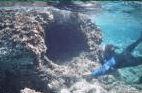
The area including the marine are of Nisiopi islet and the neighboring Gulf of Sigri forms part of the Petrified Forest of Lesvos. It is thus protected as a Natural History Monument under the Presidential Decree 443/85, as well as a Special Area of Conservation (code number GR4110003) under the Natura 2000 Network of European protected areas. The aim of the project was to assess the current status of the coastal marine environment, based on a detailed bionomic study of the spatial distribution of benthic flora and fauna, and of the associated anthropotenic pressures detected in the wider area. The data produced through this work can be used to evaluate the effectiveness of the existing protection regime in conserving all important ecological components, and help improve management practices within an ecosystem-based approach.
Partners: UAegean (coordinator)
Funding: European Regional Development Fund, Natural History Museum of the Lesvos Petrified Forest
MedPAN North | A transnational cooperation project to enhance management effectiveness of Marine Protected Areas in the northern Mediterranean
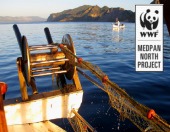
The project aimed to assess the status of coastal marine fisheries resources in sites of variable fishing pressure located inside and outside the National Marine Park of Zakynthos. A number of different methodological approaches was utilised for the gathering of information, including underwater visual census, sampling on-board commercial small-scale fisheries boats, application of interviews with local fisherment and stakeholders). The results showed that regardless the relatively recent establishment of the management agency and the subsequent implementation of management actions within a well-defined zone system, fisheries resources appear to have a positive response to conservation measures, as their status was found to be better inside the NMPZ compared to sites located outside of it.
Partners: UAegean (coordinator), NMPZ
Funding: MedPAN North (MED Programme), European Regional Development Fund
Assessment of anthropogenic activities on the quality of the coastal zone and application of biotic indices according to the WFD 2000/60 in the NE AEgean and Cyprus
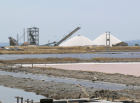
The project investigate the quality of the coastal ecosystems, along with the multiple effects of the associated human activities, and to establish scientific criteria for the evaluation of environmental quality. The sampling protocols and the developed bioic indices were applied in selected sites located at the Islands of Lesvos and Cyprus, which represented gradients of habitat degradation due to a variety of human activities.
Partners: UAegean (coordinator), Department of Fisheries and Marine Research Cyprus
Funding: European Regional Development Fund – INTERREG III
Integrated planning for the development of a netwrok of underwater parks, for the establishment of diving tourism and other marine-related ecotouristic activities in the marine area of Lesvos, Lemnos, and Ag. Efstratios Prefecture.
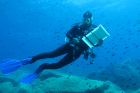
The project investigated a number of marine sites within the study area, and proposed the most suitable ones for the establishment of a network of underwater parks for diving and other marine-related ecotouristic activities, based on a specific set of environmetal and social criteria. It also addressed the possibity of spatially associating this network to existing marine protected areas, in order to enhance conservation efforts and the respective ecological benefits.
Partners: APC Advanced (coordinator), UAegean
Funding: Agency for the Local Development of Lesvos, ETAL SA
Investigation of the oceanographic and fisheries characteristics of Psarra island (Chios) and development of management plans for the future establishment of a Marine Protected Area
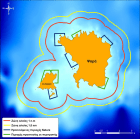
The project investigated a number of marine sites within the study area, and proposed the most suitable ones for the establishment of a network of underwater parks for diving and other marine-related ecotouristic activities, based on a specific set of environmetal and social criteria. It also addressed the possibity of spatially associating this network to existing marine protected areas, in order to enhance conservation efforts and the respective ecological benefits. Partners: APC Advanced (coordinator), UAegean Funding: Agency for the Local Development of Lesvos, ETAL SA |
Investigation of the oceanographic and fisheries characteristics of Psarra island (Chios) and development of management plans for the future establishment of a Marine Protected Area
Η ωκεανογραφική και αλιευτική μελέτη είχε ως κύριο στόχο την καταγραφή των αλιευτικών δραστηριοτήτων της περιοχής των Ψαρών Χίου, της κατάστασης των ενδιαιτημάτων, και τον εντοπισμό ευαίσθητων περιοχών που παίζουν σημαντικό ρόλο στη βιωσιμότητα των αλιευτικών αποθεμάτων. Προτάθηκε ένα διαχειριστικό σχέδιο προστασίας και βιώσιμης ανάπτυξης στα Ψαρά και στα γειτονικά τους Αντίψαρα, με κύριο γνώμονα τη μελλοντική ανάπτυξη θαλάσσιου πάρκου, αξιολογώντας την καταλληλότητα εναλλακτικών σεναρίων ως προς τη σημαντικότητα και ιδιομορφία των διάφορων περιοχών των νησιών.
Partners: UAegean
Funding: Chios Prefecture
Preliminary study of the fisheries biology of the common octopus (Octopus vulgaris) in the coastal areas of Lesvos island (Mytilene Straits)
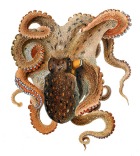
Ο κύριος στόχος της μελέτης ήταν μια προκαταρκτική καταγραφή των βιολογικών παραμέτρων των πληθυσμών του κοινού χταποδιού στην περιοχή του Στενού Μυτιλήνης της Λέσβου, με έμφαση στην αναπαραγωγική βιολογία του είδους. Στα πλαίσια της μελέτης επιχειρήθηκε επίσης μια πρώτη καταγραφή δεδομένων που αφορούν την αλιεία του είδους αυτού στη Λέσβο. Με βάση την ανάλυση των στοιχείων που συλλέχθηκαν στα πλαίσια της μελέτης αυτής, οδήγησαν στην πρόταση για την διατήρηση ενός θεσμικού πλαισίου που στοχεύει στην μείωση της αλιευτικής πίεσης στα αποθέματα του χταποδιού κατά την περίοδο αναπαραγωγής του (Άνοιξη-Καλοκαίρι) στη Λέσβο.
Εταίροι: Παν/μιο Αιγαίου
Χρηματοδότηση: Νομαρχιακή Αυτοδιοίκηση Λέσβου
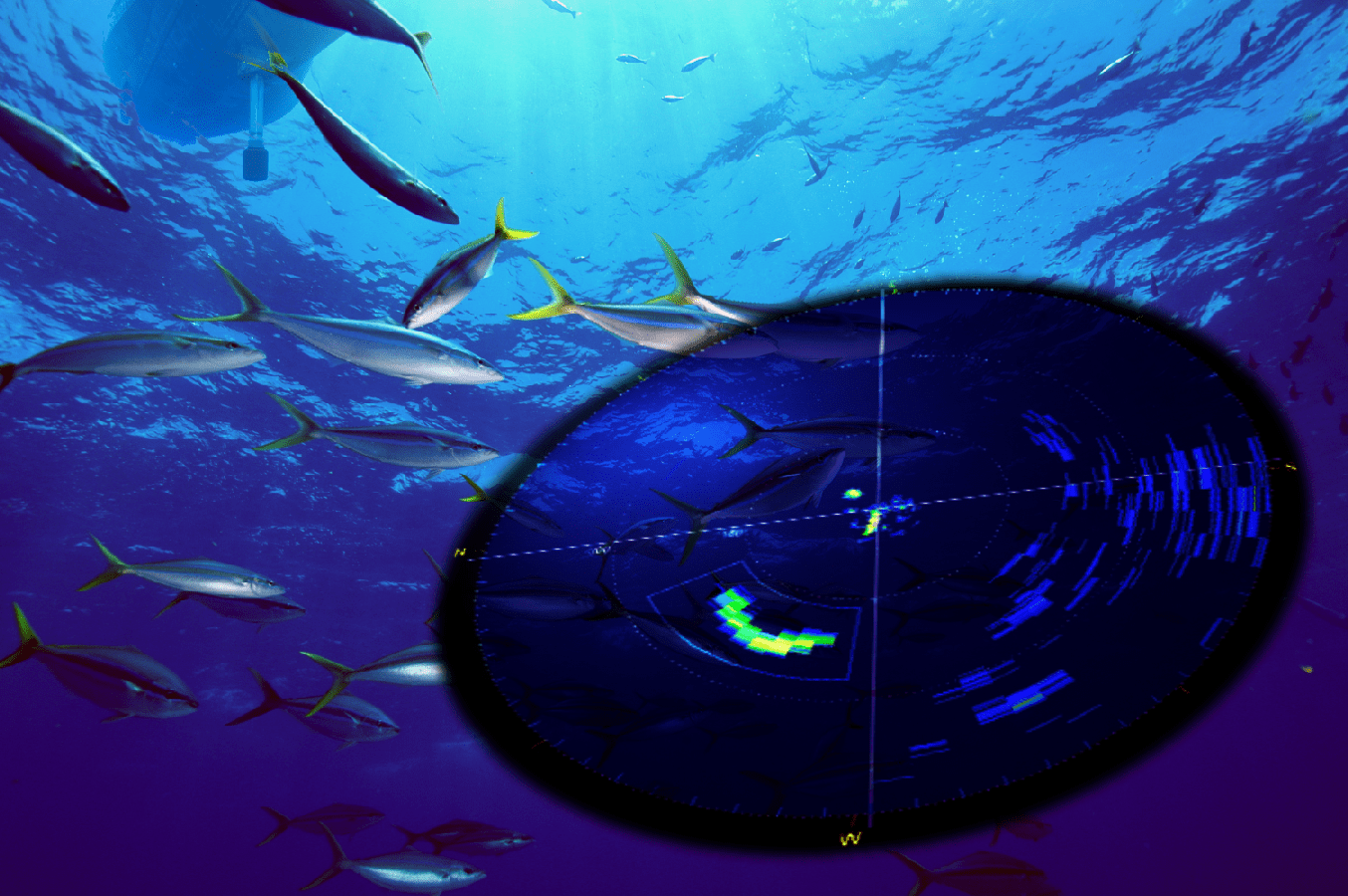
FADIO | Fish aggregating devices as instrumented observatories of pelagic ecosystems
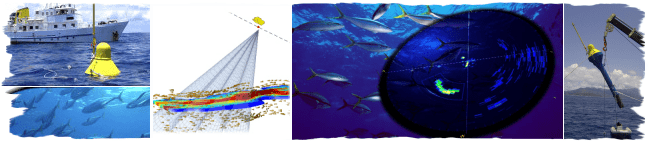
Tropical pelagic species, such as tunas, are known to aggregate around drifting fish aggregating devices (FADs). The objective of this project is to define specifications and develop prototypes of: (a) autonomous buoys equipped with omnidirectional multi-beam sonars to observe fish aggregations associated with FADs, b) data loggers to detect individuals carrying electronic tags and satellite uplinks, c) new electronic tags with ecological sensors. Also, a model of aggregation processes will be developed for interpreting data collected by currently available downward-looking echosounders mounted on buoys. Various field experiments will be conducted to assist in development of specifications for the autonomous sonars. In the same way that oceanographers have historically used instrumented buoys to study the physical dynamics of the oceans, these autonomous pelagic observatories will contribute to a reduction in the use of research vessels and represent a new concept in the study of ocean life.
Partners: IRD (coordinator), Univ. of Hawaii, AZTI, IFREMER, Univ. de Las Palmas de Gran Canaria, SERPE, IMR, UAegean, Univ. Libre de Bruxelles
Funding: European Commision – Research Directorates General
FishSAT | Migration assessment model for medium and large pelagic species in the Aegean based on the distribution of fishing effort and the environmental parameters that affect it, with the help of satellite images
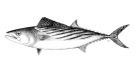
The project focused on the collection and analysis of fishing effort data of commercially important medium and large pelagic species of the Aegean (Sarda sarda, Euthynnus sp, Auxis sp, Thunnus thynnus, Xiphias gladius), combined with satellite images and in situ oceanographic data. The results were used for modelling the migration patterns of the studied species and for improving the precision of their abundance estimates.
Partners: UAegean (coordinator), HCMR
Funding: European Maritime and Fisheries Fund
IMAS-Fish | Development of an integrated management system to support the sustainability of Greek fisheries resources
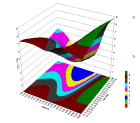
The objective of the project is to organize an integrated system, based on the existing fisheries data, which will be able to provide the appropriate information to be used for supporting the sustainable management of living resources in the Greek Seas. An important part of program is the evaluation of the existing series of biological and fishing effort data collected during the last 15 years from National and International Research projects, concerning demersal and pelagic fish stocks. These data will be assessed and improved and will constitute the base for establishing an integrated fisheries database.
Partners: HCMR (coordinator), UAegean, Univ. of Thessaly, Q&R, INFOMAP, LAMANS
Funding: General Secretariat for Research and Technology
CEPHSTOCK | Cephalopod stocks in European waters: Review, analysis, assessment and sustainable management
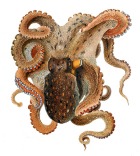
The project objectives are to: (a) review and synthesise current knowledge on European cephalopod resources, (b) develop common databases and GIS, supporting new analysis of environmental interactions, (c) use available data for new stock assessments and provide recommendations for sustainable management, (d) facilitate dissemination and use of outputs from previous EU and current national RTD activities. The pan-European consortium (21 institutions in 7 European countries) represents all member states with major cephalopod fisheries, encompassing Atlantic and Mediterranean fisheries, with required cross-disciplinary expertise. It will work by correspondence with regular co-ordination meetings and workshops over 36 months. The synthesis of demographic, genetic, physiological, environmental and socio-economic data will lead to 50 deliverables including review papers, reports, and new RTD proposals.
Partners: Univ. of Aberdeen (coordinator), FRS, Imperial College, Univ. de Caen, UCNW, AZTI, RH.BNC, UKIEL.IM, IPIMAR, Univ. DIPTERIS, ICRAM, CSIC, IMBC (HCMR), UAegean
Funding: European Commision – Research Directorate General XIV
ECOSUMMER | Ecosystem approach to sustainable management of the marine environment and its living resources - Human resources & mobility activity
Ο κύριος στόχος του έργου ήταν να δώσει την δυνατότητα για έρευνα σε νέους ερευνητές στις θαλάσσιες Βιολογικές, Φυσικές και Οικονομικές επιστήμες και ιδιαίτερα στο αντικείμενο της ορθολογικής διαχείρισης των θαλάσσιων βιολογικών πόρων και των ενδιαιτημάτων τους. Οι ερευνητικές δραστηριότητες στις οποίες συμμετείχαν οι νέοι ερευνητές καλύπτουν ένα ευρύ φάσμα δραστηριοτήτων με βάση αναφοράς τους θαλάσσιους βιολογικούς πόρους όπως για παράδειγμα την βιολογία και τον κύκλο ζωής τους, την διερεύνηση του γενετικού πολυμορφισμού, την δυναμική των πληθυσμών, την ηθολογία και την συμπεριφορά, την οικλογία των ενδιαιτημάτων τους, την αλιευτική διαχείριση. Στα πλαίσια του έργου οι νέοι ερευνητές είχαν την δυνατότητα να πραγματοποιήσουν έρευνα που οδηγεί σε λήψη διδακτορικού διπλώματος ή μικρής διάρκειας έρευνα σε οποιοδήποτε από τους συνεργαζόμενους Επιστημονικούς Φορείς.
Partners: Univ. of Aberdeen (coordinator), Fisheries Research Services, Scottish Association for Marine Science, Centro Oceanográfico de Vigo, Univ. de Vigo, Instituto de Investigaciones Marinas, HCMR, UAegean
Funding: European Commission – Marie Curie Actions (Human Resources and Mobility)
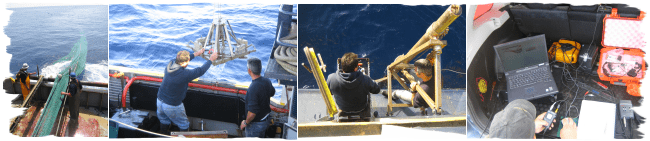
Preliminary oceanographic environmental study of underwater areas of Lesvos island for the future development of Marine Parks for habitats conservation and sustainable development
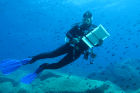
Ο κύριος στόχος της Ωκεανογραφικής Περιβαλλοντικής προκαταρκτικής μελέτης είναι η διερεύνηση και καταγραφή του θαλάσσιου περιβάλλοντος και των κύριων παραμέτρων του, με την χρήση σύγχρονου ωκεανογραφικού εξοπλισμού, σε επιλεγμένες περιοχές της Λέσβου που θα μπορούσαν να αποτελέσουν περιοχές-στόχος για δημιουργία καταδυτικών πάρκων (Π.Ο.Α.Κ.Π. – Περιοχές Οργανωμένης Ανάπτυξης Καταδυτικών Πάρκων, Νόμος 3409, ΦΕΚ 273, 04/11/2005). Οι πληροφορίες για το θαλάσσιο περιβάλλον θα αποθηκευθούν σε χωρική βάση δεδομένων που θα αναπτυχθεί με την χρήση ΓΣΠ. Με τον τρόπο αυτό θα είναι διαθέσιμες οι πληροφορίες εκείνες σε Φορείς Διαχείρισης και Λήψης Αποφάσεων σε οποιαδήποτε σχέδια και κινήσεις για μελλοντική ανάπτυξη εναλλακτικού τουρισμού στο νησί που σχετίζεται με καταδυτικό τουρισμό.
Εταίροι: Παν/μιο Αιγαίου
Χρηματοδότηση: Νομαρχιακή Αυτοδιοίκηση Λέσβου
CORI | Prevention and management of sea originated risks to the coastal zone
The project aims at providing tools to intercept and manage sea-originated threats to the coastal zone. It is comprised of: a) Identification and mapping of tsunami and other extreme sea level hazards for Eastern Mediterranean coasts. b) Actions for public education and awareness for responsive actions. c) Development of tools and methodologies for managing and minimizing the impact of coastal pollution events. d) Development and application of a pilot plan for coastal prevention and response to accidental marine pollution events. The Eastern Mediterranean Sea, characterized by the highest earthquake potential of Europe, has repeatedly been hit by tsunamis, as the instrumental, historical and geological records reveal. Lately the tsunami-related threat is more ominous than before due to the rise of tourism and population concentration in coastal areas. Other emerging threats to coastal communities include chemical, microbial and even radioactive pollution, while the frequency and size of extreme sea-level events is expected to rise in the future, possibly causing sea-originated floods. The project aims to provide tools and methodologies to intercept and/or manage a number of sea originated threats to the coastal zone and to increase the security of coastal regions against these threats.
Partners: UAegean (coordinator), HCMR, Aristotle Univ. of Thessaloniki, Oceanography Center of the Univ. of Cyprus
Funding: European Regional Development Fund – INTERREG III
Environmental impact assessment study in NATURA 2000 sites (GR2550001, GR2550003, GR2550007) in Messinia Prefecture, Greece

Αντικείμενο του έργου ήταν η εμπεριστατωμένη διερεύνηση των χαρακτηριστικών του φυσικού και ανθρωπογενούς περιβάλλοντος και η διαμόρφωση/εξειδίκευση διαχειριστικών μέτρων των περιοχών που έχουν προταθεί για ένταξη στο Δίκτυο Natura 2000 με κωδικούς ‘GR 2550001 – Φαράγγι Νέδωνα’, ‘GR 2550003 – Σαπιέντζα και Σχίζα, Ακρωτήρι Ακρίτας’, και ‘GR 2550007 – Θαλάσσια περιοχή Στενού Μεθώνης’ του Νομού Μεσσηνίας, στα πλαίσια εφαρμογής ενός ολοκληρωμένου προγράμματος διαχείρισης και λειτουργίας των περιοχών αυτών.
Εταίροι: Παν/μιο Αιγαίου
Χρηματοδότηση: Νομαρχιακή Αυτοδιοίκηση Μεσσηνίας
THALATTA | Greek network for ocean acoustic technology

The project is a research-network, linking Greek Universities and Research Institutions working in the field of underwater acoustics. The project objectives are: (a) the dissemination of results obtained through participation in research activities, and (b) the training of people involved in applications related to this particular research area.
Partners: Foundation for Research and Technology Hellas (FORTH) – Institute of Applied and Computational Mathematics (coordinator), HCMR, UAegean, PELAGOS Cetacean Research Institute, MARAC Electronics SA
Funding: General Secretariat for Research and Technology
TWReferenceNET | Management and sustainable development of protected transitional waters
The project had three major strategic objectives: a) to ameliorate conservation of transitional water natural heritage health in the CADSES area, by deepening knowledge, producing technological innovation, reinforcing regulation and overcoming fragmentation of expertise and activities, of scientific, socio-economic and decision-maker competencies; b) to reinforce territorial integration in the CADSES area on the environmental policy conservation strategies, according to the UE Directives (e.g., Nature 2000, Water Framework Directives); c) to encourage socio-economic development in NMS coastal areas, by translating the efforts on conservation into sustainable development strategies, creation of new jobs opportunities and improvement of quality of life. Common field research activities addressed topic within the first two project objectives, representing the larges compelling intercalibration exercise currently existing at the European scale on transitional water ecosystems. In fact, one of the project work-packages was designed in order to support the implementation of the Water Framework Directive in th Mediterranean and Black Sea Eco-Regions.
Partners: Univ. of Lecce (coordinator), Univ. of Bologna, Univ, of Trieste, Institute of Oceanology of Varna, Galati Univ., HCMR, National and Kapodistrian Univ. of Athens, Univ. of Ioannina, Fisheries Research Institute (FRI), UAegean
Funding: European Regional Development Fund – INTERREG III
Publications (in peer-reviewed Journals )
2019
Brehmer P, Sancho G, Trygonis V, Itano D, Dalen J, Fuchs A, Faraj A, Taquet M, (2019). Towards an autonomous pelagic observatory: experiences from monitoring fish communities around drifting FADs. Thalassas 35, 177–189. doi: 10.1007/s41208-018-0107-9
Giakoumi, S., Hermoso, V., Carvalho, S.B., Markantonatou, V., Dagys, M., Iwamura, T., Probst, W.N., Smith, R.J., Yates, K.L., Almpanidou, V., Novak, T., Ben-Moshe, N., Katsanevakis, S., Claudet, J., Coll, M., Deidun, A., Essl, F., García-Charton, J.A., Jimenez, C., Kark, S., Mandić, M., Mazaris, A.D., Rabitsch, W., Stelzenmüller, V., Tricarico, E., Vogiatzakis, I.N., 2019. Conserving European biodiversity across realms. Conservation Letters 12. doi: 10.1111/conl.12586
Katsanevakis, S., Tsirintanis, K., Tsaparis, D., Doukas, D., Sini, M., Athanassopoulou, F., Kolygas, M.N., Tontis, D., Koutsoubas, D., Bakopoulos, V., 2019. The cryptogenic parasite Haplosporidium pinnae invades the Aegean Seaand causes the collapse of Pinna nobilis populations. Aquatic Invasions 14,in press.
Maina, I., Kavadas, S., Damalas, D., Pantazi, M., Katsanevakis, S., in press. Dynamics of trawling effort in the Aegean Sea: Investigating the potential of Vessel Monitoring System (VMS) data. ICES Journal of Marine Science.
Petza, D., Chalkias, C., Koukourouvli, N., Coll, M., Vassilopoulou, V., Karachle, P.K., Markantonatou, V., Tsikliras, A.C., Katsanevakis, S., 2019. An operational framework to assess the value of fisheries restricted areas for marine conservation. Marine Policy. doi: 10.1016/j.marpol.2019.01.005
Poursanidis, D., Chatzigeorgiou, G., Dimitriadis, C., Koutsoubas, D., Arvanitidis, C., 2019. Testing the robustness of a coastal biodiversity data protocol in the Mediterranean: insights from the molluskan assemblages from the sublittoral macroalgae communities. Hydrobiologia 826, 159–172. doi: 10.1007/s10750-018-3725-6
Rilov, G., Mazaris, A., Stelzenmüller, V., Helmuth, B., Wahl, M., Guy-Haim, T., Mieszkowska, N., Ledoux, J.B., Katsanevakis, S., 2019. Adaptive marine conservation planning in the face of climate change: What can we learn from physiological, genetic and ecological studies?Global Ecology and Conservation, in press.
Sini, M., Garrabou, J., Trygonis, V., Koutsoubas, D., 2019. Coralligenous formations dominated by Eunicella cavolini (Koch, 1887) in the NE Mediterranean: biodiversity and structure. Mediterranean Marine Science. doi: 10.12681/mms.18590
2018
Dadaliaris, M., Grantounis, P., Evagelopoulos, A., Katsanevakis, S., 2018. Use of pitfall traps for sampling marine benthic arthropods on soft substrate. Crustaceana 91, 867–877. doi: 10.1163/15685403-00003796
Dimitriadis, C., Fournari – Konstantinidou, I., Sourbès, L., Koutsoubas, D., Mazaris, A.D., 2018a. Reduction of sea turtle population recruitment caused by nightlight: Evidence from the Mediterranean region. Ocean and Coastal Management 153, 108–115. doi: 10.1016/j.ocecoaman.2017.12.013
Dimitriadis, C., Sini, M., Trygonis, V., Gerovasileiou, V., Sourbès, L., Koutsoubas, D., 2018. Assessment of fish communities in a Mediterranean MPA: Can a seasonal no-take zone provide effective protection? Estuarine, Coastal and Shelf Science 207, 223–231. doi: 10.1016/j.ecss.2018.04.012
Fraschetti, S., Pipitone, C., Mazaris, A.D., Rilov, G., Badalamenti, F., Bevilacqua, S., Claudet, J., Caric, H., Dahl, K., D’Anna, G., Daunys, D., Frost, M., Gissi, E., Göke, C., Goriup, P., Guarnieri, G., Holcer, D., Lazar, B., Mackelworth, P., Manzo, S., Martin, G., Palialexis, A., Panayotova, M., Petza, D., Rumes, B., Todorova, V., Katsanevakis, S., 2018. Light and shade in marine conservation across European and contiguous seas. Frontiers in Marine Science 5. doi: 10.3389/fmars.2018.00420
Gerovasileiou, V., Dailianis, T., Sini, M., Otero, M.M., Numa, C., Katsanevakis, S., Voultsiadou, E., 2018. Assessing the regional conservation status of sponges (Porifera): The case of the Aegean ecoregion. Mediterranean Marine Science 19, 526–537. doi: 10.12681/mms.14461
Katsanevakis, S., Moustakas, A., 2018. Uncertainty in marine invasion science. Frontiers in Marine Science 5. doi: 10.3389/fmars.2018.00038
Mačic, V., Albano, P.G., Almpanidou, V., Claudet, J., Corrales, X., Essl, F., Evagelopoulos, A., Giovos, I., Jimenez, C., Kark, S., Marković, O., Mazaris, A.D., Ólafsdóttir, F.Á., Panayotova, M., Petović, S., Rabitsch, W., Ramdani, M., Rilov, G., Tricarico, E., Fernández, T.V., Sini, M., Trygonis, V., Katsanevakis, S., 2018. Biological invasions in conservation planning: A global systematic review. Frontiers in Marine Science 5. doi: 10.3389/fmars.2018.00178
Mazaris, A.D., Almpanidou, V., Giakoumi, S., Katsanevakis, S., 2018. Gaps and challenges of the European network of protected sites in the marine realm. ICES Journal of Marine Science 75, 190–198. doi: 10.1093/icesjms/fsx125
Mazaris, A.D., Katsanevakis, S., 2018. The threat of biological invasions is under-represented in the marine protected areas of the European Natura 2000 network. Biological Conservation 225, 208–212. doi: 10.1016/j.biocon.2018.07.007
Moustakas, A., Voutsela, A., Katsanevakis, S., 2018. Sampling alien species inside and outside protected areas: Does it matter? Science of the Total Environment 625, 194–198. doi: 10.1016/j.scitotenv.2017.12.198
Stelzenmüller, V., Coll, M., Mazaris, A.D., Giakoumi, S., Katsanevakis, S., Portman, M.E., Degen, R., Mackelworth, P., Gimpel, A., Albano, P.G., Almpanidou, V., Claudet, J., Essl, F., Evagelopoulos, T., Heymans, J.J., Genov, T., Kark, S., Micheli, F., Pennino, M.G., Rilov, G., Rumes, B., Steenbeek, J., Ojaveer, H., 2018. A risk-based approach to cumulative effect assessments for marine management. Science of the Total Environment 612, 1132–1140. doi: 10.1016/j.scitotenv.2017.08.289
Thanopoulou, Z., Sini, M., Vatikiotis, K., Katsoupis, C., Dimitrakopoulos, P.G., Katsanevakis, S., 2018. How many fish? Comparison of two underwater visual sampling methods for monitoring fish communities. PeerJ 2018. doi: 10.7717/peerj.5066
Trygonis, V., Kapelonis, Z., 2018. Corrections of fish school area and mean volume backscattering strength by simulation of an omnidirectional multi-beam sonar. ICES Journal of Marine Science 75, 1496–1508. doi: 10.1093/icesjms/fsy009
Tsatiris, A., Papadopoulos, V., Makri, D., Topouzelis, K., Manoutsoglou, E., Hasiotis, T., Katsanevakis, S., 2018. Spatial distribution, abundance and habitat use of the endemic Mediterranean fan mussel Pinna nobilis in the Gera Gulf, Lesvos (Greece): comparison of design-based and model-based approaches. Mediterranean Marine Science19: 642–655.
Tsekouras, G.E., Trygonis, V., Maniatopoulos, A., Rigos, A., Chatzipavlis, A., Tsimikas, J., Mitianoudis, N., Velegrakis, A.F., 2018. A Hermite neural network incorporating artificial bee colony optimization to model shoreline realignment at a reef-fronted beach. Neurocomputing 280, 32–45. doi: 10.1016/j.neucom.2017.07.070
Tsirintanis, K., Sini, M., Doumas, O., Trygonis, V., Katsanevakis, S., 2018. Assessment of grazing effects on phytobenthic community structure at shallow rocky reefs: An experimental field study in the North Aegean Sea. Journal of Experimental Marine Biology and Ecology 503, 31–40. doi: 10.1016/j.jembe.2018.01.008
Yokes, MB., Andreou, V,, Bakiu, R., Bonanomi, S., Camps, J., Christidis, G., Crocetta, F., Giovos, I., Gori, A., Juretić, T., Ünsal Karhan, S., Katsanevakis, S., Kytinou, E., Langeneck, J., Lipej, L., Maximiadi, M., Michailidis, N., Mitsou, E., Nicolaidou, A., Petović, S., Prado, P., Santín, A., Teneketzis, K., Thasitis, I., Tirelli, V., Trkov, D., Troplini, E., Tsiamis, K., Vannucci, A., 2018. New Mediterranean Biodiversity Records (November 2018). Mediterranean Marine Science 19: 673–689.
2017
Anastasopoulou, A., Vassilopoulou, V., Katsanevakis, S., Karachle, P.K., 2017. Mediterranean slimehead, Hoplostethus mediterraneus in the Ionian Sea, Greece: otolith morphometry, age and growth. In Pauly D, Hood L, Stergiou KI (eds.) Belated contributions on the biology of fish, fisheries and features of their ecosystems. Fisheries Centre Research Reports 25: 4–14.
Bjarnason, A., Katsanevakis, S., Galanidis, A., Vogiatzakis, I.N., Moustakas, A., 2017. Evaluating hypotheses of plant species invasions on Mediterranean islands: Inverse patterns between alien and endemic species. Frontiers in Ecology and Evolution 5. doi: 10.3389/fevo.2017.00091
Daliakopoulos, I.N., Katsanevakis, S., Moustakas, A., 2017. Spatial downscaling of alien species presences using machine learning. Frontiers in Earth Science 5. doi: 10.3389/feart.2017.00060
Dimopoulos, P., Drakou, E.G., Kokkoris, I.P., Katsanevakis, S., Kallimanis, A., Tsiafouli, M., Bormpoudakis, D., Kormas, K., Arends, J., 2017. The need for the implementation of an Ecosystem Services assessment in Greece: drafting the national agenda. One Ecosystem 2: e13714.
Evagelopoulos, A., Batjakas, I., Koutsoubas, D., 2017. Length-weight relationships of 9 commercial fish species from the north aegean sea. Acta Adriatica 58, 187–192.
Gerovasileiou, V., Akel, E.H.KH., Akyol, O., Alongi, G., Azevedo, F., Babali, N., Bakiu, R., Bariche, M., Bennoui, A., Castriotta, L., Chintiroglou, C.C., Crocetta, F., Deidun, Α., Galinou-Mitsoudi, S., Giovos, Ι., Gökoğlu, M., Golema, Α., Hadjioannou, L., Hartingerova, J., Insacco, G., Katsanevakis, S., Kleitou, P., Korun, J., Lipej, L., Malegue, M., Michailidis, N., Mouzai, Tifoura, A., Ovalis, P., Petović, S., Piraino, S., Rizkalla, S.I., Rousou, M., Savva, I., Şen, H., Spinelli, A., Vougioukalou, K.G., Xharahi, E., Zava, B., Zenetos, A., 2017. New Mediterranean Biodiversity Records (July 2017). Mediterranean Marine Science 18: 355–384. http://dx.doi.org/10.12681/mms.13771
Katsanevakis, S., Mackelworth, P., Coll, M., Fraschetti, S., Mačić, V., Giakoumi, S., Jones, P.J.S., Levin, N., Albano, P.G., Badalamenti, F., Brennan, R.E., Claudet, J., Culibrk, D., D’Anna, G., Deidun, A., Evagelopoulos, A., García-Charton, J.A., Goldsborough, D., Holcer, D., Jimenez, C., Kark, S., Sørensen, T.K., Lazar, B., Martin, G., Mazaris, A.D., Micheli, F., Milner-Gulland, E.J., Pipitone, C., Portman, M.E., Pranovi, F., Rilov, G., Smith, R.J., Stelzenmüller, V., Vogiatzakis, I., Winters, G., 2017. Advancing marine conservation in European and contiguous seas with the MarCons Action. Research Ideas and Outcomes 3: e11884.
Katsanevakis, S., Sini, M., Dailianis, T., Gerovasileiou, V., Koukourouvli, N., Topouzelis, K., Ragkousis, M., 2017. Identifying where vulnerable species occur in a data-poor context: Combining satellite imaging and underwater occupancy surveys. Marine Ecology Progress Series 577, 17–32. doi: 10.3354/meps12232
Lipej, L., Acevedo, I., Akel, E.H.K., Anastasopoulou, A., Angelidis, A., Azzurro, E., Castriota, L., çelik, M., Cilenti, L., Crocetta, F., Deidun, A., Dogrammatzi, A., Falautano, M., Fernández-Álvarez, F.Á., Gennaio, R., Insacco, G., Katsanevakis, S., Langeneck, J., Lombardo, B.M., Mancinelli, G., Mytilineou, C., Papa, L., Pitacco, V., Pontes, M., Poursanidis, D., Prato, E., Rizkalla, S.I., Rodríguez-Flores, P.C., Stamouli, C., Tempesti, J., Tiralongo, F., Tirnetta, S., Tsirintanis, K., Turan, C., Yaglioglu, D., Zaminos, G., Zava, B., 2017. New Mediterranean Biodiversity Records (March 2017). Mediterranean Marine Science 18, 179–201. doi: 10.12681/mms.2068
Maidanou, M., Koulouri, P., Arvanitidis, C., Koutsoubas, D., Dounas, C., 2017. Macrobenthic assemblage structure associated with a Caulerpa prolifera meadow in the eastern Mediterranean Sea (Elounda Bay, Crete Island). Regional Studies in Marine Science 14, 1–14. doi: 10.1016/j.rsma.2017.04.004
Petza, D., Maina, I., Koukourouvli, N., Dimarchopoulou, D., Akrivos, D., Kavadas, S., Tsikliras, A.C., Karachle, P.K., Katsanevakis, S., 2017. Where not to fish – Reviewing and mapping fisheries restricted areas in the Aegean Sea. Mediterranean Marine Science 18, 310–323. doi: 10.12681/mms.2081
Sini, M., Katsanevakis, S., Koukourouvli, N., Gerovasileiou, V., Dailianis, T., Buhl-Mortensen, L., Damalas, D., Dendrinos, P., Dimas, X., Frantzis, A., Gerakaris, V., Giakoumi, S., Gonzalez-Mirelis, G., Hasiotis, T., Issaris, Y., Kavadas, S.G., Koutsogiannopoulos, D.D., Koutsoubas, D., Manoutsoglou, E., Markantonatou, V., Mazaris, A.D., Poursanidis, D., Papatheodorou, G., Salomidi, M., Topouzelis, K., Trygonis, V., Vassilopoulou, V., Zotou, M., 2017. Assembling ecological pieces to reconstruct the conservation puzzle of the aegean sea. Frontiers in Marine Science 4. doi: 10.3389/fmars.2017.00347
Topouzelis, K., Papakonstantinou, A., Doukari, M., Stamatis, P., Makri, D., Katsanevakis, S., 2017. Coastal habitat mapping in the Aegean Sea using high resolution orthophoto maps. Presented at the Proceedings of SPIE – The International Society for Optical Engineering. doi: 10.1117/12.2279140
Tsekouras, G.E., Trygonis, V., Rigos, A., Chatzipavlis, A., Tsolakis, D., Velegrakis, A.F., 2017. Neuro-fuzzy network for modeling the shoreline realignment of the Kamari beach, Santorini, Greece, Communications in Computer and Information Science. doi: 10.1007/978-3-319-65172-9_20
Vardakas, L., Kalogianni, E., Papadaki, C., Vavalidis, T., Mentzafou, A., Koutsoubas, D., Skoulikidis Th., N., 2017. Defining critical habitat conditions for the conservation of three endemic and endangered cyprinids in a Mediterranean intermittent river before the onset of drought. Aquatic Conservation: Marine and Freshwater Ecosystems 27, 1270–1280. doi: 10.1002/aqc.2735
2016
Boero, F., Foglini, F., Fraschetti, S., Goriup, P., Macpherson, E., Planes, S., Soukissian, T., Adiloglu, B., et al., 2016. CoCoNet: Towards coast to coast networks of marine protected areas (From the shore to the high and deep sea), coupled with sea-based wind energy potential. SCIRES-IT 6, 1–95. doi: 10.2423/i22394303v6SpI
Dailianis, T., Akyol, O., Babali, N., Bariche, M., Crocetta, F., Gerovasileiou, V., Ghanem, R., Gökoglu, M., Hasiotis, T., Izquierdo-Muñoz, A., Julian, D., Katsanevakis, S., Lipej, L., Mancini, E., Mytilineou, C., Ounifi Ben Amor, K., Özgül, A., Ragkousis, M., Rubio-Portillo, E., Servello, G., Sini, M., Stamouli, C., Sterioti, A., Teker, S., Tiralongo, F., Trkov, D., 2016. New Mediterranean Biodiversity Records (July 2016). Mediterranean Marine Science 17, 608–626. doi: 10.12681/mms.1734
Di Franco, A., Thiriet, P., Di Carlo, G., Dimitriadis, C., Francour, P., Gutiérrez, N.L., Jeudy De Grissac, A., Koutsoubas, D., Milazzo, M., Otero, M.D.M., Piante, C., Plass-Johnson, J., Sainz-Trapaga, S., Santarossa, L., Tudela, S., Guidetti, P., 2016. Five key attributes can increase marine protected areas performance for small-scale fisheries management. Scientific Reports 6. doi: 10.1038/srep38135
Dimitriadis, C., Koutsoubas, D., Arvanitidis, C., 2016. On the use of predator traits and distribution in environmental impact assessment: the trophic/dispersal sufficiency concept. Marine Biodiversity 46, 603–613. doi: 10.1007/s12526-015-0407-8
Evagelopoulos, A., Koutsoubas, D., Gerovasileiou, V., Katsiaras, N., 2016. Macrobenthic molluscs from a marine – Lagoonal environmental transition in Lesvos Island (Greece). Biodiversity Data Journal 4. doi: 10.3897/BDJ.4.e9541
Gerovasileiou, V., Dailianis, T., Panteri, E., Michalakis, N., Gatti, G., Sini, M., Dimitriadis, C., Issaris, Y., Salomidi, M., Filiopoulou, I., Doğan, A., d’Avray, L.T.V., David, R., Çinar, M.E., Koutsoubas, D., Féral, J.-P., Arvanitidis, C., 2016. CIGESMED for divers: Establishing a citizen science initiative for the mapping and monitoring of coralligenous assemblages in the Mediterranean Sea. Biodiversity Data Journal 4. doi: 10.3897/BDJ.4.e8692
Giakoumi, S., Guilhaumon, F., Kark, S., Terlizzi, A., Claudet, J., Felline, S., Cerrano, C., Coll, M., Danovaro, R., Fraschetti, S., Koutsoubas, D., Ledoux, J.-B., Mazor, T., Mérigot, B., Micheli, F., Katsanevakis, S., 2016. Space invaders; biological invasions in marine conservation planning. Diversity and Distributions 22, 1220–1231. doi: 10.1111/ddi.12491
Katsanevakis, S., 2016. Transplantation as a conservation action to protect the Mediterranean fan mussel Pinna nobilis. Marine Ecology Progress Series 546, 113–122. doi: 10.3354/meps11658
Katsanevakis, S., Tempera, F., Teixeira, H., 2016. Mapping the impact of alien species on marine ecosystems: The Mediterranean Sea case study. Diversity and Distributions 22, 694–707. doi: 10.1111/ddi.12429
Koulouri, P., Kalogirou, S., Maidanou, M., Koutsoubas, D., Dounas, C., 2016. Fish and cephalopod assemblage structure of green alga Caulerpa prolifera (Chlorophyta) meadow in the eastern Mediterranean Sea (Elounda Bay, Crete Island). Regional Studies in Marine Science 3, 33–41. doi: 10.1016/j.rsma.2015.12.002
Lucy, F.E., Roy, H., Simpson, A., Carlton, J.T., Hanson, J.M., Magellan, K., Campbell, M.L., Costello, M.J., Pagad, S., Hewitt, C.L., McDonald, J., Cassey, P., Thomaz, S.M., Katsanevakis, S., Zenetos, A., Tricarico, E., Boggero, A., Groom, Q.J., Adriaens, T., Vanderhoeven, S., Torchin, M., Hufbauer, R., Fuller, P., Carman, M.R., Conn, D.B., Vitule, J.R.S., Canning-Clode, J., Galil, B.S., Ojaveer, H., Bailey, S.A., Therriault, T.W., Claudi, R., Gazda, A., Dick, J.T.A., Caffrey, J., Witt, A., Kenis, M., Lehtiniemi, M., Helmisaari, H., Panov, V.E., 2016. INVASIVESNET towards an international association for open knowledge on invasive alien species. Management of Biological Invasions 7, 131–139. doi: 10.3391/mbi.2016.7.2.01
Maina, I., Kavadas, S., Katsanevakis, S., Somarakis, S., Tserpes, G., Georgakarakos, S., 2016. A methodological approach to identify fishing grounds: A case study on Greek trawlers. Fisheries Research 183, 326–339. doi: 10.1016/j.fishres.2016.06.021
Poursanidis, D., Koutsoubas, D., 2016. On the occurrence of Elysia gordanae Thompson & Jaklin, 1988 (Mollusca, Opisthobranchia) in East Mediterranean Sea. Marine Biodiversity 46, 5–6. doi: 10.1007/s12526-015-0318-8
Poursanidis, D., Koutsoubas, D., Arvanitidis, C., Chatzigeorgiou, G., 2016. ReefMedMol: Mollusca from the infralittoral rocky shores – The biocoenosis of photophilic algae – In the Mediterranean Sea. Biodiversity Data Journal 4. doi: 10.3897/BDJ.4.e7516
Salomidi, M., Giakoumi, S., Gerakaris, V., Issaris, Y., Sini, M., Tsiamis, K., 2016. Setting an ecological baseline prior to the bottom-up establishment of a marine protected area in Santorini Island, Aegean Sea. Mediterranean Marine Science 17, 720–737. doi: 10.12681/mms.1802
Trygonis, V., Georgakarakos, S., Dagorn, L., Brehmer, P., 2016. Spatiotemporal distribution of fish schools around drifting fish aggregating devices. Fisheries Research 177, 39–49. doi: 10.1016/j.fishres.2016.01.013
Tsiamis, K., Gervasini, E., D’Amico, F., Deriu, I., Katsanevakis, S., Crocetta, F., Zenetos, A., Arianoutsou, M., Backeljau, T., Bariche, M., Bazos, I., Bertaccini, A., Brundu, G., Carrete, M., Çinar, M.E., Curto, G., Faasse, M., Justine, J.-L., Király, G., Langer, M.R., Levitt, Y., Panov, V.E., Piraino, S., Rabitsch, W., Roques, A., Scalera, R., Shenkar, N., Sîrbu, I., Tricarico, E., Vannini, A., Vøllestad, L.A., Zikos, A., Cardoso, A.C., 2016. The EASIN Editorial Board: Quality assurance, exchange and sharing of alien species information in Europe. Management of Biological Invasions 7, 321–328. doi: 10.3391/mbi.2016.7.4.02
Velegrakis, A.F., Trygonis, V., Chatzipavlis, A.E., Karambas, T., Vousdoukas, M.I., Ghionis, G., Monioudi, I.N., Hasiotis, T., Andreadis, O., Psarros, F., 2016. Shoreline variability of an urban beach fronted by a beachrock reef from video imagery. Natural Hazards 83, 201–222. doi: 10.1007/s11069-016-2415-9
Zenetos, A., Mačić, V., Jaklin, A., Lipej, L., Poursanidis, D., Cattaneo-Vietti, R., Beqiraj, S., Betti, F., Poloniato, D., Kashta, L., Katsanevakis, S., Crocetta, F., 2016. Adriatic ‘opisthobranchs’ (Gastropoda, Heterobranchia): shedding light on biodiversity issues. Marine Ecology 37, 1239–1255. doi: 10.1111/maec.12306
2015
Corsini-Foka, M., Zenetos, A., Crocetta, F., Çinar, M.E., Koçak, F., Golani, D., Katsanevakis, S., Tsiamis, K., Cook, E., Froglia, C., Triandaphyllou, M., Lakkis, S., Kondylatos, G., Tricarico, E., Zuljevic, A., Almeida, M., Cardigos, F., Çağlar, S., Durucan, F., Fernandes, A.M.D., Ferrario, J., Haberle, I., Louizidou, P., Makris, J., Marić, M., Micu, D., Mifsud, C., Nall, C., Kytinou, E., Poursanidis, D., Spigoli, D., Stasolla, G., Yapici, S., Roy, H.E., 2015. Inventory of alien and cryptogenic species of the dodecanese (Aegean sea, Greece): Collaboration through COST action training school. Management of Biological Invasions 6, 351–366. doi: 10.3391/mbi.2015.6.4.04
Essl, F., Bacher, S., Blackburn, T.M., Booy, O., Brundu, G., Brunel, S., Cardoso, A.-C., Eschen, R., Gallardo, B., Galil, B., García-Berthou, E., Genovesi, P., Groom, Q., Harrower, C., Hulme, P.E., Katsanevakis, S., Kenis, M., Kühn, I., Kumschick, S., Martinou, A.F., Nentwig, W., O’Flynn, C., Pagad, S., Pergl, J., Pyšek, P., Rabitsch, W., Richardson, D.M., Roques, A., Roy, H.E., Scalera, R., Schindler, S., Seebens, H., Vanderhoeven, S., Vilà, M., Wilson, J.R.U., Zenetos, A., Jeschke, J.M., 2015. Crossing Frontiers in Tackling Pathways of Biological Invasions. BioScience 65, 769–782. doi: 10.1093/biosci/biv082
Evagelopoulos, A., Poursanidis, D., Papazisi, E., Gerovasileiou, V., Katsiaras, N., Koutsoubas, D., 2015. Records of alien marine species of Indo-Pacific origin at Sigri Bay (Lesvos Island, north-eastern Aegean Sea). Marine Biodiversity Records 8. doi: 10.1017/S1755267215000123
Gerovasileiou, V., Chintiroglou, C.C., Vafidis, D., Koutsoubas, D., Sini, M., Dailianis, T., Issaris, Y., Akritopoulou, E., Dimarchopoulou, D., Voultsiadou, E., 2015. Census of biodiversity in marine caves of the eastern Mediterranean Sea. Mediterranean Marine Science 16, 245–265. doi: 10.12681/mms.1069
Giakoumi, S., Brown, C.J., Katsanevakis, S., Saunders, M.I., Possingham, H.P., 2015a. Using threat maps for cost-effective prioritization of actions to conserve coastal habitats. Marine Policy 61, 95–102. doi: 10.1016/j.marpol.2015.07.004
Giakoumi, S., Halpern, B.S., Michel, L.N., Gobert, S., Sini, M., Boudouresque, C.-F., Gambi, M.-C., Katsanevakis, S., Lejeune, P., Montefalcone, M., Pergent, G., Pergent-Martini, C., Sanchez-Jerez, P., Velimirov, B., Vizzini, S., Abadie, A., Coll, M., Guidetti, P., Micheli, F., Possingham, H.P., 2015b. Towards a framework for assessment and management of cumulative human impacts on marine food webs. Conservation Biology 29, 1228–1234. doi: 10.1111/cobi.12468
Katsanevakis, S., 2015. Illegal immigration in the eastern Aegean Sea: A new source of Marine litter. Mediterranean Marine Science 16, 605–608. doi: 10.12681/mms.1463
Katsanevakis, S., Deriu, I., D’Amico, F., Nunes, A.L., Sanchez, S.P., Crocetta, F., Arianoutsou, M., Bazos, I., Christopoulou, A., Curto, G., Delipetrou, P., Kokkoris, Y., Panov, V.E., Rabitsch, W., Roques, A., Scalera, R., Shirley, S.M., Tricarico, E., Vannini, A., Zenetos, A., Zervou, S., Zikos, A., Cardoso, A.C., 2015a. European alien species information network (EASIN): Supporting european policies and scientific research. Management of Biological Invasions 6, 147–157. doi: 10.3391/mbi.2015.6.2.05
Katsanevakis, S., Levin, N., Coll, M., Giakoumi, S., Shkedi, D., Mackelworth, P., Levy, R., Velegrakis, A., Koutsoubas, D., Caric, H., Brokovich, E., Öztürk, B., Kark, S., 2015b. Marine conservation challenges in an era of economic crisis and geopolitical instability: The case of the Mediterranean Sea. Marine Policy 51, 31–39. doi: 10.1016/j.marpol.2014.07.013
Katsanevakis, S., Roy, H.E., 2015. Alien species related information systems and information management. Management of Biological Invasions 6, 115–117. doi: 10.3391/mbi.2015.6.2.01
Koulouri, P., Dounas, C., Arvanitidis, C., Koutsoubas, D., Tselepides, A., Eleftheriou, A., 2015. A field experiment on trophic relations within the benthic boundary layer (BBL) over an oligotrophic continental shelf. Estuarine, Coastal and Shelf Science 164, 392–407. doi: 10.1016/j.ecss.2015.07.029
Nunes, A.L., Tricarico, E., Panov, V.E., Cardoso, A.C., Katsanevakis, S., 2015. Pathways and gateways of freshwater invasions in Europe. Aquatic Invasions 10, 359–370. doi: 10.3391/ai.2015.10.4.01
Poursanidis, D., Koutsoubas, D., 2015. A computerized database (CorMol) on the molluscan fauna from the Mediterranean reef ecosystems: Part I, the coralligenous formations. Quaternary International 390, 29–43.
Sini, M., Kipson, S., Linares, C., Koutsoubas, D., Garrabou, J., 2015. The yellow gorgonian Eunicella cavolini: Demography and disturbance levels across the Mediterranean Sea. PLoS ONE 10. doi: 10.1371/journal.pone.0126253
Vardakas, L., Kalogianni, E., Zogaris, S., Koutsikos, N., Vavalidis, T., Koutsoubas, D., Skoulikidis, N.T., 2015. Distribution patterns of fish assemblages in an Eastern Mediterranean intermittent river. Knowledge and Management of Aquatic Ecosystems. doi: 10.1051/kmae/2015026
Velegrakis, A.F., Trygonis, V., Chatzipavlis, A.E., Vousdoukas, M., Ghionis, G., Andreadis, O., Psarros, F., Karambas, T., Sifnioti, D., Eleftheriou, A., Petrakis, S., Hasiotis, T., 2015a. High resolution morphodynamic monitoring of an Aegean Island Beach, using coastal video imagery. Presented at the 12th International Conference on the Mediterranean Coastal Environment, MEDCOAST 2015, pp. 725–736
Velegrakis, A.F., Trygonis, V., Vousdoukas, M.I., Ghionis, G., Chatzipavlis, A., Andreadis, O., Psarros, F., Hasiotis, T., 2015b. Automated 2-D shoreline detection from coastal video imagery: An example from the island of Crete. Presented at the Proceedings of SPIE – The International Society for Optical Engineering. doi: 10.1117/12.2192687
Zenetos, A., Arianoutsou, M., Bazos, I., Balopoulou, S., Corsini-Foka, M., Dimiza, M., Drakopoulou, P., Katsanevakis, S., Kondylatos, G., Koutsikos, N., Kytinou, E., Lefkaditou, E., Pancucci-Papadopoulou, M.A., Salomidi, M., Simboura, N., Skoufas, G., Trachalakis, P., Triantaphyllou, M., Tsiamis, K., Xentidis, N.J., Poursanidis, D., 2015. ELNAIS: A collaborative network on aquatic alien species in hellas (Greece). Management of Biological Invasions 6, 185–196. doi: 10.3391/mbi.2015.6.2.09
2014
Dimitriadis, C., Koutsoubas, D., Garyfalou, Z., Tselepides, A., 2014. Benthic molluscan macrofauna structure in heavily trawled sediments (Thermaikos Gulf, North Aegean Sea): Spatiotemporal patterns. Journal of Biological Research (Greece) 21. doi: 10.1186/2241-5793-21-10
Kapiris, K., Apostolidis, C., Baldacconi, R., Başusta, N., Bilecenoglu, M., Bitar, G., Bobori, D.C., Öboyaci, Y., Dimitriadis, C., Djurović, M., Dulčić, J., Durucan, F., Gerovasileiou, V., Gökoǧlu, M., Koutsoubas, D., Lefkaditou, E., Lipej, L., Marković, O., Mavrič, B., Özvarol, Y., Pesic, V., Petriki, O., Siapatis, A., Sini, M., Tibullo, D., Tiralongo, F., 2014. New Mediterranean Marine biodiversity records (April, 2014). Mediterranean Marine Science 15, 198–212. doi: 10.12681/mms.737
Katsanevakis, S., Acar, Ü., Ammar, I., Balci, B.A., Bekas, P., Belmonte, M., Chintiroglou, C.C., Consoli, P., Dimiza, M., Fryganiotis, K., Gerovasileiou, V., Gnisci, V., Gülşahin, N., Hoffman, R., Issaris, Y., Izquierdo-Gomez, D., Izquierdo-Muñoz, A., Kavadas, S., Koehler, L., Konstantinidis, E., Mazza, G., Nowell, G., Önal, U., Özen, M.R., Pafilis, P., Pastore, M., Perdikaris, C., Poursanidis, D., Prato, E., Russo, F., Sicuro, B., Tarkan, A.N., Thessalou-Legaki, M., Tiralongo, F., Triantaphyllou, M., Tsiamis, K., Tunçer, S., Turan, C., Türker, A., Yapici, S., 2014a. New Mediterranean Biodiversity Records (October, 2014). Mediterranean Marine Science 15, 675–695. doi: 10.12681/mms.1123
Katsanevakis, S., Coll, M., Piroddi, C., Steenbeek, J., Lasram, F.B.R., Zenetos, A., Cardoso, A.C., 2014b. Invading the Mediterranean Sea: Biodiversity patterns shaped by human activities. Frontiers in Marine Science 1. doi: 10.3389/fmars.2014.00032
Katsanevakis, S., Wallentinus, I., Zenetos, A., Leppäkoski, E., Çinar, M.E., Oztürk, B., Grabowski, M., Golani, D., Cardoso, A.C., 2014c. Impacts of invasive alien marine species on ecosystem services and biodiversity: A pan-European review. Aquatic Invasions 9, 391–423. doi: 10.3391/ai.2014.9.4.01
Katsanevakis, S., 2014. Multi-model inference and model selection in Mexican Fisheries. Ciencia Pesquera 22: 6–7.
Katsiaras, N., Simboura, N., Koutsoubas, D., 2014. The rare subgroup C1 of Marphysa (Polychaeta, Eunicidae): Re-description of species and first records in the Mediterranean sea. Zootaxa 3873, 201–217. doi: 10.11646/zootaxa.3873.3.1
Levin, N., Coll, M., Fraschetti, S., Gal, G., Giakoumi, S., Göke, C., Heymans, J.J., Katsanevakis, S., Mazor, T., Öztürk, B., Rilov, G., Gajewski, J., Steenbeek, J., Kark, S., 2014. Biodiversity data requirements for systematic conservation planning in the Mediterranean Sea. Marine Ecology Progress Series 508, 261–281. doi: 10.3354/meps10857
Nunes, A.L., Katsanevakis, S., Zenetos, A., Cardoso, A.C., 2014. Gateways to alien invasions in the European seas. Aquatic Invasions 9, 133–144. doi: 10.3391/ai.2014.9.2.02
Tamvakis, A., Trygonis, V., Miritzis, J., Tsirtsis, G., Spatharis, S., 2014. Optimizing biodiversity prediction from abiotic parameters. Environmental Modelling and Software 53, 112–120. doi: 10.1016/j.envsoft.2013.12.001
2013
Bilecenoglu, M., Alfaya, J.E.F., Azzurro, E., Baldacconi, R., Boyaci, Y.Ö., Circosta, V., Compagno, L.J.V., Coppola, F., Deidun, A., Durgham, H., Durucan, F., Ergüden, D., Fernández-Álvarez, F.Á., Gianguzza, P., Giglio, G., Gökoǧlu, M., Gürlek, M., Ikhtiyar, S., Kabasakal, H., Karachle, P.K., Katsanevakis, S., Koutsogiannopoulos, D., Lanfranco, E., Micarelli, P., Özvarol, Y., Peña-Rivas, L., Poursanidis, D., Saliba, J., Sperone, E., Tibullo, D., Tiralongo, F., Tripepi, S., Turan, C., Vella, P., Yokeş, M.B., Zava, B., 2013. New Mediterranean marine biodiversity records (December, 2013). Mediterranean Marine Science 14, 463–480. doi: 10.12681/mms.676
Gatto, F., Katsanevakis, S., Vandekerkhove, J., Zenetos, A., Cardoso, A.C., 2013. Evaluation of online information sources on alien species in europe: The need of harmonization and integration. Environmental Management 51, 1137–1146. doi: 10.1007/s00267-013-0042-8
Gerovasileiou, V., Trygonis, V., Sini, M., Koutsoubas, D., Voultsiadou, E., 2013. Three-dimensional mapping of marine caves using a handheld echosounder. Marine Ecology Progress Series 486, 13–22. doi: 10.3354/meps10374
Giakoumi, S., Sini, M., Gerovasileiou, V., Mazor, T., Beher, J., Possingham, H.P., Abdulla, A., Çinar, M.E., Dendrinos, P., Gucu, A.C., Karamanlidis, A.A., Rodic, P., Panayotidis, P., Taskin, E., Jaklin, A., Voultsiadou, E., Webster, C., Zenetos, A., Katsanevakis, S., 2013. Ecoregion-Based Conservation Planning in the Mediterranean: Dealing with Large-Scale Heterogeneity. PLoS ONE 8. doi: 10.1371/journal.pone.0076449
Katsanevakis, S., Gatto, F., Zenetos, A., Cardoso, A.C., 2013a. How many marine aliens in Europe? Management of Biological Invasions 4, 37–42. doi: 10.3391/mbi.2013.4.1.05
Katsanevakis, S., Genovesi, P., Gaiji, S., Hvid, H.N., Roy, H., Nunes, A.L., Aguado, F.S., Bogucarskis, K., Debusscher, B., Deriu, I., Harrower, C., Josefsson, M., Lucy, F.E., Marchini, A., Richards, G., Trichkova, T., Vanderhoeven, S., Zenetos, A., Cardoso, A.C., 2013b. Implementing the European policies for alien species – Networking, science, and partnership in a complex environment. Management of Biological Invasions 4, 3–6. doi: 10.3391/mbi.2013.4.1.02
Katsanevakis, S., Zenetos, A., Belchior, C., Cardoso, A.C., 2013c. Invading European Seas: Assessing pathways of introduction of marine aliens. Ocean and Coastal Management 76, 64–74. doi: 10.1016/j.ocecoaman.2013.02.024
Katsanevakis, S., Zenetos, A., Poursanidis, D., Nunes, A.L., Deriu, I., Bogucarskis, K., Cardoso, A.C., 2013d. ELNAIS meets EASIN: Distribution of marine alien species in Greece using EASIN mapping services and ELNAIS spatial data. Mediterranean Marine Science 14, 95–98. doi: 10.12681/mms.329
Liquete, C., Piroddi, C., Drakou, E.G., Gurney, L., Katsanevakis, S., Charef, A., Egoh, B., 2013. Current Status and Future Prospects for the Assessment of Marine and Coastal Ecosystem Services: A Systematic Review. PLoS ONE 8. doi: 10.1371/journal.pone.0067737
Micheli, F., Levin, N., Giakoumi, S., Katsanevakis, S., Abdulla, A., Coll, M., Fraschetti, S., Kark, S., Koutsoubas, D., Mackelworth, P., Maiorano, L., Possingham, H.P., 2013. Setting Priorities for Regional Conservation Planning in the Mediterranean Sea. PLoS ONE 8. doi: 10.1371/journal.pone.0059038
Portman, M.E., Notarbartolo-di-Sciara, G., Agardy, T., Katsanevakis, S., Possingham, H.P., Di-Carlo, G., 2013. He who hesitates is lost: Why conservation in the Mediterranean Sea is necessary and possible now. Marine Policy 42, 270–279. doi: 10.1016/j.marpol.2013.03.004
Salomidi, M., Katsanevakis, S., Issaris, Y., Tsiamis, K., Katsiaras, N., 2013. Anthropogenic disturbance of coastal habitats promotes the spread of the introduced scleractinian coral Oculina patagonica in the Mediterranean Sea. Biological Invasions 15, 1961–1971. doi: 10.1007/s10530-013-0424-0
Schofield, G., Dimadi, A., Fossette, S., Katselidis, K.A., Koutsoubas, D., Lilley, M.K.S., Luckman, A., Pantis, J.D., Karagouni, A.D., Hays, G.C., 2013a. Satellite tracking large numbers of individuals to infer population level dispersal and core areas for the protection of an endangered species. Diversity and Distributions 19, 834–844. doi: 10.1111/ddi.12077
Schofield, G., Scott, R., Dimadi, A., Fossette, S., Katselidis, K.A., Koutsoubas, D., Lilley, M.K.S., Pantis, J.D., Karagouni, A.D., Hays, G.C., 2013b. Evidence-based marine protected area planning for a highly mobile endangered marine vertebrate. Biological Conservation 161, 101–109. doi: 10.1016/j.biocon.2013.03.004
Siokou, I., Ateş, A.S., Ayas, D., Ben Souissi, J., Chatterjee, T., Dimiza, M., Durgham, H., Dogrammatzi, K., Erguden, D., Gerakaris, V., Grego, M., Issaris, Y., Kadis, K., Kataǧan, T., Kapiris, K., Katsanevakis, S., Kerkhof, F., Papastergiadou, E., Pešić, V., Polychronidis, L., Rifi, M., Salomidi, M., Sezgin, M., Triantaphyllou, M., Tsiamis, K., Turan, C., Tziortzis, I., D’Udekem D’Acoz, C., Yaglioglu, D., Zaouali, J., Zenetos, A., 2013. New Mediterranean Marine biodiversity records (June 2013). Mediterranean Marine Science 14, 238–249. doi: 10.12681/mms.450
Stelzenmüller, V., Breen, P., Stamford, T., Thomsen, F., Badalamenti, F., Borja, T., Buhl-Mortensen, L., Carlstöm, J., D’Anna, G., Dankers, N., Degraer, S., Dujin, M., Fiorentino, F., Galparsoro, I., Giakoumi, S., Gristina, M., Johnson, K., Jones, P.J.S., Katsanevakis, S., Knittweis, L., Kyriazi, Z., Pipitone, C., Piwowarczyk, J., Rabaut, M., Sørensen, T.K., van Dalfsen, J., Vassilopoulou, V., Vega Fernández, T., Vincx, M., Vöge, S., Weber, A., Wijkmark, N., Jak, R., Qiu, W., ter Hofstede, R., 2013. Monitoring and evaluation of spatially managed areas: A generic framework for implementation of ecosystem based marine management and its application. Marine Policy 37, 149–164. doi: 10.1016/j.marpol.2012.04.012
Trombetti, M., Katsanevakis, S., Deriu, I., Cardoso, A.C., 2013. EASIN-Lit: A geo-database of published alien species records. Management of Biological Invasions 4, 261–264. doi: 10.3391/mbi.2013.4.3.08
Trygonis, V., Gerstein, E., Moir, J., McCulloch, S., 2013. Vocalization characteristics of North Atlantic right whale surface active groups in the calving habitat, southeastern United States. Journal of the Acoustical Society of America 134, 4518–4531. doi: 10.1121/1.4824682
Vassilopoulou, V., Issaris, Y., Giakoumi, S., Mavromati, G., Pantazi, M., Kokkali, A., Kavvadas, S., Maina, I., Dogrammatzi, A., Anagnostou, C., Katsanevakis, S., Panayotidis, P., 2013. Application of an ecosystem-based spatial management approach in a coastal area in western Greece. WIT Transactions on Ecology and the Environment 169, 103–114. doi: 10.2495/CP130091
2012
Beninger, P.G., Boldina, I., Katsanevakis, S., 2012. Strengthening statistical usage in marine ecology. Journal of Experimental Marine Biology and Ecology 426–427, 97–108. doi: 10.1016/j.jembe.2012.05.020
Dimitriadis, C., Evagelopoulos, A., Koutsoubas, D., 2012. Functional diversity and redundancy of soft bottom communities in brackish waters areas: Local vs regional effects. Journal of Experimental Marine Biology and Ecology 426–427, 53–59. doi: 10.1016/j.jembe.2012.05.016
Giakoumi, S., Katsanevakis, S., Vassilopoulou, V., Panayotidis, P., Kavadas, S., Issaris, Y., Kokkali, A., Frantzis, A., Panou, A., Mavrommati, G., 2012. Could European marine conservation policy benefit from systematic conservation planning? Aquatic Conservation: Marine and Freshwater Ecosystems 22, 762–775. doi: 10.1002/aqc.2273
Giakoumi, S., Mazor, T., Fraschetti, S., Kark, S., Portman, M., Coll, M., Steenbeek, J., Possingham, H., Abdulla, A., Agardy, T., Caric, H., Di Carlo, G., Katsanevakis, S., Koutsoubas, D., Levin, N., Levy, R., Mackelworth, P., Maiorano, L., Micheli, F., Notarbartolo di Sciara, G., 2012. Advancing marine conservation planning in the Mediterranean Sea. Reviews in Fish Biology and Fisheries22: 943–949.
Issaris, Y., Katsanevakis, S., Pantazi, M., Vassilopoulou, V., Panayotidis, P., Kavadas, S., Kokkali, A., Salomidi, M., Frantzis, A., Panou, A., Damalas, D., Klaoudatos, D., Sakellariou, D., Drakopoulou, V., Kyriakidou, C., Maina, I., Fric, J., Smith, C., Giakoumi, S., Karris, G., 2012a. Ecological mapping and data quality assessment for the needs of ecosystem-based marine spatial management: Case study Greek Ionian Sea and the adjacent gulfs. Mediterranean Marine Science 13, 297–311.
Issaris, Y., Katsanevakis, S., Salomidi, M., Tsiamis, K., Katsiaras, N., Verriopoulos, G., 2012b. Occupancy estimation of marine species: Dealing with imperfect detectability. Marine Ecology Progress Series 453, 95–106. doi: 10.3354/meps09668
Katsanevakis, S., Bogucarskis, K., Gatto, F., Vandekerkhove, J., Deriu, I., Cardoso, A.C., 2012a. Building the European Alien Species Information Network (EASIN): A novel approach for the exploration of distributed alien species data. BioInvasions Records 1, 235–245. doi: 10.3391/bir.2012.1.4.01
Katsanevakis, S., Weber, A., Pipitone, C., Leopold, M., Cronin, M., Scheidat, M., Doyle, T.K., Buhl-Mortensen, L., Buhl-Mortensen, P., D’Anna, G., de Boois, I., Dalpadado, P., Damalas, D., Fiorentino, F., Garofalo, G., Giacalone, V.M., Hawley, K.L., Issaris, Y., Jansen, J., Knight, C.M., Knittweis, L., Kröncke, I., Mirto, S., Muxika, I., Reiss, H., Skjoldal, H.R., Vöge, S., 2012b. Monitoring marine populations and communities: Methods dealing with imperfect detectability. Aquatic Biology 16, 31–52. doi: 10.3354/ab00426
Maravelias, C.D., Damalas, D., Ulrich, C., Katsanevakis, S., Hoff, A., 2012. Multispecies fisheries management in the Mediterranean Sea: Application of the Fcube methodology. Fisheries Management and Ecology 19, 189–199. doi: 10.1111/j.1365-2400.2011.00801.x
Salomidi, M., Katsanevakis, S., Borja, Á., Braeckman, U., Damalas, D., Galparsoro, I., Mifsud, R., Mirto, S., Pascual, M., Pipitone, C., Rabaut, M., Todorova, V., Vassilopoulou, V., Fernández, T.V., 2012. Assessment of goods and services, vulnerability, and conservation status of European seabed biotopes: A stepping stone towards ecosystem-based marine spatial management. Mediterranean Marine Science 13, 49–88.
Thessalou-Legaki, M., Aydogan, O., Bekas, P., Bilge, G., Boyaci, Y.O., Bruneli, E., Circosta, V., Crocetta, F., Durucan, F., Erdem, M., Ergolavou, A., Filiz, H., Fois, F., Gouva, E., Kapiris, K., Katsanevakis, S., Kljajić, Z., Konstantinidis, E., Konstantinou, G., Koutsogianopoulos, D., Lamon, S., Mačić, V., Mazzete, R., Meloni, D., Mureddu, A., Paschos, I., Perdikaris, C., Piras, F., Poursanidis, D., Ramos-Esplá, A.A., Rosso, A., Sordino, P., Sperone, E., Sterioti, A., Taşkin, E., Toscano, F., Tripepi, S., Tsiakiros, L., Zenetos, A., 2012. New mediterranean biodiversity records (december 2012). Mediterranean Marine Science 13, 312–327.
Trygonis, V., Sini, M., 2012. PhotoQuad: A dedicated seabed image processing software, and a comparative error analysis of four photoquadrat methods. Journal of Experimental Marine Biology and Ecology 424–425, 99–108. doi: 10.1016/j.jembe.2012.04.018
Tzomos, T., Kitsos, M.-S., Koutsoubas, D., Koukouras, A., 2012. Evolution of the entrance rate and of the spatio-temporal distribution of Lessepsian Mollusca in the Mediterranean Sea. Journal of Biological Research 17, 81–96.
Vousdoukas, M.I., Velegrakis, A.F., Paul, M., Dimitriadis, C., Makrykosta, E., Koutsoubas, D., 2012. Field observations and modeling of wave attenuation over colonized beachrocks. Continental Shelf Research 48, 100–109. doi: 10.1016/j.csr.2012.08.015
Zenetos, A., Gofas, S., Morri, C., Rosso, A., Violanti, D., García Raso, J.E., Çinar, M.E., Almogi-Labin, A., Ates, A.S., Azzurro, E., Ballesteros, E., Bianchi, C.N., Bilecenoglu, M., Gambi, M.C., Giangrande, A., Gravili, C., Hyams-Kaphzan, O., Karachle, P.K., Katsanevakis, S., Lipej, L., Mastrototaro, F., Mineur, F., Pancucci-Papadopoulou, M.A., Ramos Esplá, A., Salas, C., San Martín, G., Sfriso, A., Streftaris, N., Verlaque, M., 2012. Alien species in the Mediterranean Sea by 2012. A contribution to the application of European Union’s Marine Strategy Framework Directive (MSFD). Part 2. Introduction trends and pathways. Mediterranean Marine Science 13, 328–352.
2011
Dimitriadis, C., Koutsoubas, D., 2011. Functional diversity and species turnover of benthic invertebrates along a local environmental gradient induced by an aquaculture unit: The contribution of species dispersal ability and rarity. Hydrobiologia 670, 307–315. doi: 10.1007/s10750-011-0668-6
Katsanevakis, S., 2011a. Marine debris, a growing problem: Sources, distribution, composition, and impacts, in: The Marine Environment: Ecology, Management and Conservation. pp. 277–324.
Katsanevakis, S., 2011b. Rapid assessment of the marine alien megabiota in the shallow coastal waters of the Greek Islands, paros and antiparos, aegean Sea. Aquatic Invasions 6, S133–S137.
Katsanevakis, S., Poursanidis, D., Issaris, Y., Panou, A., Petza, D., Vassilopoulou, V., Chaldaiou, I., Sini, M., 2011a. “Protected” marine shelled molluscs: Thriving in Greek seafood restaurants. Mediterranean Marine Science 12, 429–438.
Katsanevakis, S., Poursanidis, D., Yokes, M.B., MačIć, V., Beqiraj, S., Kashta, L., Sghaier, Y.R., Zakhama-Sraieb, R., Benamer, I., Bitar, G., Bouzaza, Z., Magni, P., Bianchi, C.N., Tsiakkiros, L., Zenetos, A., 2011b. Twelve years after the first report of the crab Percnon gibbesi (H. Milne Edwards, 1853) in the Mediterranean: Current distribution and invasion rates. Journal of Biological Research 16, 224–236.
Katsanevakis, S., Stelzenmüller, V., South, A., Sørensen, T.K., Jones, P.J.S., Kerr, S., Badalamenti, F., Anagnostou, C., Breen, P., Chust, G., D’Anna, G., Duijn, M., Filatova, T., Fiorentino, F., Hulsman, H., Johnson, K., Karageorgis, A.P., Kröncke, I., Mirto, S., Pipitone, C., Portelli, S., Qiu, W., Reiss, H., Sakellariou, D., Salomidi, M., van Hoof, L., Vassilopoulou, V., Vega Fernández, T., Vöge, S., Weber, A., Zenetos, A., Hofstede, R.T., 2011c. Ecosystem-based marine spatial management: Review of concepts, policies, tools, and critical issues. Ocean and Coastal Management 54, 807–820. doi: 10.1016/j.ocecoaman.2011.09.002
Katsanevakis, S., Zenetos, A., Mačić, V., Beqiraj, S., Poursanidis, D., Kashta, L., 2011d. Invading the adriatic: Spatial patterns of marine alien species across the ionian-adriatic boundary. Aquatic Biology 13, 107–118. doi: 10.3354/ab00357
Petza, D., Katsanevakis, S., Lykouri, N., Spiliotis, V., Verriopoulos, G., 2011. Investigation of the potential effect of diet, body mass and maturity on growth and feed performance of common octopus Octopus vulgaris: An information theory approach. Aquaculture Nutrition 17, e348–e361. doi: 10.1111/j.1365-2095.2010.00769.x
Rabaoui, L., Tlig-Zouari, S., Katsanevakis, S., Belgacem, W., Hassine, O.K.B., 2011. Differences in absolute and relative growth between two shell forms of Pinna nobilis (Mollusca: Bivalvia) along the Tunisian coastline. Journal of Sea Research 66, 95–103. doi: 10.1016/j.seares.2011.05.002
Zenetos, A., Katsanevakis, S., Poursanidis, D., Crocetta, F., Damalas, D., Apostolopoulos, G., Gravili, C., Vardala-Theodorou, E., Malaquias, M., 2011. Marine alien species in Greek Seas: Additions and amendments by 2010. Mediterranean Marine Science 12, 95–120.
2010
Damalas, D., Maravelias, C.D., Katsanevakis, S., Karageorgis, A.P., Papaconstantinou, C., 2010. Seasonal abundance of non-commercial demersal fish in the eastern Mediterranean Sea in relation to hydrographic and sediment characteristics. Estuarine, Coastal and Shelf Science 89, 107–118. doi: 10.1016/j.ecss.2010.06.002
Katsanevakis, S., Issaris, Y., Poursanidis, D., Thessalou-Legaki, M., 2010a. Vulnerability of marine habitats to the invasive green alga Caulerpa racemosa var. cylindracea within a marine protected area. Marine Environmental Research 70, 210–218. doi: 10.1016/j.marenvres.2010.05.003
Katsanevakis, S.,Salomidi, M., Panou, A., 2010. Modelling distribution patterns and habitat preference of the invasive green alga Caulerpa racemosa in the Saronikos Gulf (Eastern Mediterranean). Aquatic Biology 10: 57–67.
Katsanevakis, S., Maravelias, C.D., Kell, L.T., 2010b. Landings profiles and potential métiers in Greek set longliners. ICES Journal of Marine Science 67, 646–656. doi: 10.1093/icesjms/fsp279
Katsanevakis, S., Maravelias, C.D., Vassilopoulou, V., 2010c. Otter trawls in Greece: Landing profiles and potential métiers. Mediterranean Marine Science 11, 43–59
Katsanevakis, S., Maravelias, C.D., Vassilopoulou, V., Haralabous, J., 2010d. Boat seines in Greece: Landings profiles and identification of potential métiers. Scientia Marina 74, 65–76. doi: 10.3989/scimar.2010.74n1065
Katsanevakis, S., Poursanidis, D., Issaris, Y., Tsiamis, K., Salomidi, M., Maroulakis, M., Kytinou, E., Thessalou-Legaki, M., Zenetos, A., 2010. The invasive crab Percnon gibbesi (H. Milne Edwards, 1853) [Crustacea: Decapoda: Plagusiidae] is spreading in the Aegean and Ionian Seas. Marine Biodiversity Records3-e53: 1–5.
Rabaoui, L., Tlig-Zouari, S., Katsanevakis, S., Ben Hassine, O.K., 2010. Modelling population density of Pinna nobilis (Bivalvia) on the eastern and southeastern coast of Tunisia. Journal of Molluscan Studies 76, 340–347. doi: 10.1093/mollus/eyq023
Voultsiadou, E., Koutsoubas, D., Achparaki, M., 2010. Bivalve mollusc exploitation in Mediterranean coastal communities: An historical approach. Journal of Biological Research 13, 35–45.
2009
Evagelopoulos, A., Spyrakos, E., Koutsoubas, D., 2009. Phytoplankton and macrofauna in the low salinity ponds of a productive solar saltworks: Spatial variability of community structure and its major abiotic determinants. Global Nest Journal 11, 64–72.
Gerovassileiou, V., Koutsoubas, D., Sini, M., Paikou, K., 2009. Marine protected areas & diving tourism in the Greek Seas: Practices and perspectives. Tourismos 4, 181–197.
Karageorgis, A.P., Katsanevakis, S., Kaberi, H., 2009. Use of enrichment factors for the assessment of heavy metal contamination in the sediments of Koumoundourou Lake, Greece. Water, Air, and Soil Pollution 204, 243–258. doi: 10.1007/s11270-009-0041-9
Katsanevakis, S., 2009a. Estimating abundance of endangered marine benthic species using distance sampling through SCUBA diving: The Pinna nobilis (Mollusca: Bivalvia) example, in: Endangered Species: New Research. pp. 81–115.
Katsanevakis, S., 2009b. Population dynamics of the endangered fan mussel Pinna nobilis in a marine lake: A metapopulation matrix modeling approach. Marine Biology 156, 1715–1732. doi: 10.1007/s00227-009-1206-1
Katsanevakis, S., Maravelias, C.D., 2009. Bathymetric distribution of demersal fish in the Aegean and Ionian Seas based on generalized additive modeling. Fisheries Science 75, 13–23. doi: 10.1007/s12562-008-0033-5
Katsanevakis, S., Maravelias, C.D., Damalas, D., Karageorgis, A.P., Tsitsika, E.V., Anagnostou, C., Papaconstantinou, C., 2009a. Spatiotemporal distribution and habitat use of commercial demersal species in the eastern Mediterranean Sea. Fisheries Oceanography 18, 439–457. doi: 10.1111/j.1365-2419.2009.00523.x
Katsanevakis, S., Thessalou-Legaki, M., 2009. Spatial distribution, abundance and habitat use of the protected fan mussel Pinna nobilis in Souda Bay, Crete. Aquatic Biology 8, 45–54. doi: 10.3354/ab00204
Katsanevakis, S., Tsiamis, K., 2009. Records of alien marine species in the shallow coastal waters of Chios Island (2009). Mediterranean Marine Science 10, 99–107. doi: 10.12681/mms.112
Katsanevakis, S., Tsiamis, K., Ioannou, G., Michailidis, N., Zenetos, A., 2009b. Inventory of alien marine species of Cyprus (2009). Mediterranean Marine Science 10, 109–133.
Trygonis, V., Georgakarakos, S., Simmonds, E.J., 2009. An operational system for automatic school identification on multibeam sonar echoes. ICES Journal of Marine Science 66, 935–949. https://doi.org/10.1093/icesjms/fsp135
Tsaparis, D., Katsanevakis, S., Ntolka, E., Legakis, A., 2009. Estimating dung decay rates of roe deer (Capreolus capreolus) in different habitat types of a Mediterranean ecosystem: An information theory approach. European Journal of Wildlife Research 55, 167–172. doi: 10.1007/s10344-008-0233-4
2008
Akoumianaki, I., Kontolefas, P., Katsanevakis, S., Nicolaidou, A., Verriopoulos, G., 2008. Subtidal littering: Indirect effects on soft substratum macrofauna? Mediterranean Marine Science 9, 35–52.
Dimitriadis, C., Koutsoubas, D., 2008. Community properties of benthic molluscs as indicators of environmental stress induced by organic enrichment. Journal of Natural History 42, 559–574. doi: 10.1080/00222930701835530
Evagelopoulos, A., Koutsoubas, D., 2008. Seasonal community structure of the molluscan macrofauna at the marine-lagoonal environmental transition at Kalloni solar saltworks (Lesvos Island, NE Aegean Sea, Greece). Journal of Natural History 42, 597–618. doi: 10.1080/00222930701835563
Evagelopoulos, A., Koutsoubas, D., Basset, A., Pinna, M., Dimitriadis, C., Sangiorgio, F., Barbone, E., Maidanou, M., Koulouri, P., Dounas, C., 2008. Spatial and seasonal variability of the macrobenthic fauna in Mediterranean solar saltworks ecosystems. Aquatic Conservation: Marine and Freshwater Ecosystems 18, S118–S134. doi: 10.1002/aqc.948
Katsanevakis, S., 2008. Marine debris, a growing problem: Sources, distribution, composition, and impacts, in: Marine Pollution: New Research. pp. 53–100.
Katsanevakis, S., Lefkaditou, E., Galinou-Mitsoudi, S., Koutsoubas, D., Zenetos, A., 2008. Molluscan species of minor commercial interest in Hellenic seas: Distribution, exploitation and conservation status. Mediterranean Marine Science 9, 77–118.
Katsanevakis, S., Maravelias, C.D., 2008. Modelling fish growth: Multi-model inference as a better alternative to a priori using von Bertalanffy equation. Fish and Fisheries 9, 178–187. doi: 10.1111/j.1467-2979.2008.00279.x
Sangiorgio, F., Basset, A., Pinna, M., Sabetta, L., Abbiati, M., Ponti, M., Minocci, M., Orfanidis, S., Nicolaidou, A., Moncheva, S., Trayanova, A., Georgescu, L., Dragan, S., Beqiraj, S., Koutsoubas, D., Evagelopoulos, A., Reizopoulou, S., 2008. Environmental factors affecting Phragmites australis litter decomposition in Mediterranean and Black Sea transitional waters. Aquatic Conservation: Marine and Freshwater Ecosystems 18, S16–S26. doi: 10.1002/aqc.955
Tsaparis, D., Katsanevakis, S., Stamouli, C., Legakis, A., 2008. Estimation of roe deer Capreolus capreolus and mouflon Ovis aries densities, abundance and habitat use in a mountainous Mediterranean area. Acta Theriologica 53, 87–94. doi: 10.1007/BF03194281
Vadrucci, M.R., Sabetta, L., Fiocca, A., Mazziotti, C., Silvestri, C., Cabrini, M., Guardiani, B., Konjka, E., Evangelopoulos, A., Koutsoubas, D., Basset, A., 2008. Statistical evaluation of differences in phytoplankton richness and abundance as constrained by environmental drivers in transitional waters of the Mediterranean basin. Aquatic Conservation: Marine and Freshwater Ecosystems 18, S88–S104. doi: 10.1002/aqc.951
Vafidis, D., Koutsoubas, D., Chartosia, N., Koukouras, A., 2008. The Teuthoidea (Cephalopoda, Mollusca) fauna of the Aegean Sea: Comparison with the neighbouring seas and notes on their diet composition. Journal of Biological Research 10, 191–205
2007
Brehmer, P., Georgakarakos, S., Josse, E., Trygonis, V., Dalen, J., 2007. Adaptation of fisheries sonar for monitoring schools of large pelagic fish: Dependence of schooling behaviour on fish finding efficiency. Aquatic Living Resources 20, 377–384. doi: 10.1051/alr:2008016
Evagelopoulos, A., Spyrakos, E., Koutsoubas, D., 2007. The biological system of the lower salinity ponds in kalloni saltworks (ne. aegean sea, greece): Phytoplankton and macrobenthic invertebrates. Transitional Waters Bulletin 1, 23–25. doi: 10.1285/i1825229Xv1n3p23
Katsanevakis, S., 2007a. Density surface modelling with line transect sampling as a tool for abundance estimation of marine benthic species: The Pinna nobilis example in a marine lake. Marine Biology 152, 77–85. doi: 10.1007/s00227-007-0659-3
Katsanevakis, S., 2007b. Growth and mortality rates of the fan mussel Pinna nobilis in Lake Vouliagmeni (Korinthiakos Gulf, Greece): A generalized additive modelling approach. Marine Biology 152, 1319–1331. doi: 10.1007/s00227-007-0781-2
Katsanevakis, S., Thessalou-Legaki, M., 2007. First record of Alicia mirabilis (Anthozoa: Actiniaria) from the Aegean Sea and density assessment with distance sampling in a site of high abundance. Marine Biology Research 3, 468–472. doi: 10.1080/17451000701695379
Katsanevakis, S., Thessalou-Legaki, M., Karlou-Riga, C., Lefkaditou, E., Dimitriou, E., Verriopoulos, G., 2007a. Information-theory approach to allometric growth of marine organisms. Marine Biology 151, 949–959. doi: 10.1007/s00227-006-0529-4
Katsanevakis, S., Verriopoulos, G., Nicolaidou, A., Thessalou-Legaki, M., 2007b. Effect of marine litter on the benthic megafauna of coastal soft bottoms: A manipulative field experiment. Marine Pollution Bulletin 54, 771–778. doi: 10.1016/j.marpolbul.2006.12.016
Katsanevakis, S., Xanthopoulos, J., Protopapas, N., Verriopoulos, G., 2007c. Oxygen consumption of the semi-terrestrial crab Pachygrapsus marmoratus in relation to body mass and temperature: An information theory approach. Marine Biology 151, 343–352. doi: 10.1007/s00227-006-0485-z
Protopapas, N., Katsanevakis, S., Thessalou-Legaki, M., Verriopoulos, G., 2007. Relative growth of the semi-terrestrial crab Pachygrapsus marmoratus: An information-theory approach. Scientia Marina 71, 383–394.
Rabaoui, L., Tlig Zouari, S., Katsanevakis, S., Ben Hassine, O.K., 2007. Comparison of absolute and relative growth patterns among five Pinna nobilis populations along the Tunisian coastline: An information theory approach. Marine Biology 152, 537–548. doi: 10.1007/s00227-007-0707-z
Sangiorgio, F., Basset, A., Pinna, M., Sabetta, L., Abbiati, M., Ponti, M., Minocci, M., Orfanidis, S., Nicolaidou, A., Moncheva, S., Trayanova, A., Georgescu, L., Dragan, S., Beqiraj, S., Koutsoubas, D., Evagelopoulos, A., Reizopoulou, S., 2007. Ecosystem processes: Litter breakdown patterns in mediterranean and black sea transitional waters. Transitional Waters Bulletin 1, 51–55. doi: 10.1285/i1825229Xv1n3p51
2006
Georgakarakos, S., Koutsoubas, D., Valavanis, V., 2006. Time series analysis and forecasting techniques applied on loliginid and ommastrephid landings in Greek waters. Fisheries Research 78, 55–71. doi: 10.1016/j.fishres.2005.12.003
Karakassis, I., Machias, A., Pitta, P., Papadopoulou, K.N., Smith, C.J., Apostolaki, E.T., Giannoulaki, M., Koutsoubas, D., Somarakis, S., 2006. Cross-community congruence of patterns in a marine ecosystem: Do the parts reflect the whole? Marine Ecology Progress Series 310, 47–54. doi: 10.3354/meps310047
Katsanevakis, S., 2006. Modelling fish growth: Model selection, multi-model inference and model selection uncertainty. Fisheries Research 81, 229–235. doi: 10.1016/j.fishres.2006.07.002
Katsanevakis, S., Verriopoulos, G., 2006a. Modelling the effect of temperature on hatching and settlement patterns of meroplanktonic organisms: The case of the octopus. Scientia Marina 70, 699–708. doi: 10.3989/scimar.2006.70n4699
Katsanevakis, S., Verriopoulos, G., 2006b. Seasonal population dynamics of Octopus vulgaris in the eastern Mediterranean. ICES Journal of Marine Science 63, 151–160. doi: 10.1016/j.icesjms.2005.07.004
Koulouri, P., Dounas, C., Arvanitidis, C., Koutsoubas, D., Eleftheriou, A., 2006. Molluscan diversity along a Mediterranean soft bottom sublittoral ecotone. Scientia Marina 70, 573–583. doi: 10.3989/scimar.2006.70n4573
Machias, A., Giannoulaki, M., Somarakis, S., Maravelias, C.D., Neofitou, C., Koutsoubas, D., Papadopoulou, K.N., Karakassis, I., 2006. Fish farming effects on local fisheries landings in oligotrophic seas. Aquaculture 261, 809–816. doi: 10.1016/j.aquaculture.2006.07.019
Petza, D., Katsanevakis, S., Verriopoulos, G., 2006. Experimental evaluation of the energy balance in Octopus vulgaris, fed ad libitum on a high-lipid diet. Marine Biology 148, 827–832. doi: 10.1007/s00227-005-0129-8
2005
Antoniadou, C., Koutsoubas, D., Chintiroglou, C.C., 2005. Mollusca fauna from infralittoral hard substrate assemblages in the North Aegean Sea. Belgian Journal of Zoology 135, 119–126
Arvanitidis, C., Atzigeorgiou, G., Koutsoubas, D., Dounas, C., Eleftheriou, A., Koulouri, P., 2005a. Mediterranean lagoons revisited: Weakness and efficiency of the rapid biodiversity assessment techniques in a severely fluctuating environment. Biodiversity and Conservation 14, 2347–2359. doi: 10.1007/s10531-004-1668-x
Arvanitidis, C., Chatzigeorgiou, G., Koutsoubas, D., Kevrekidis, T., Dounas, C., Eleftheriou, A., Koulouri, P., Mogias, A., 2005b. Estimating lagoonal biodiversity in Greece: Comparison of rapid assessment techniques. Helgoland Marine Research 59, 177–186. doi: 10.1007/s10152-005-0216-8
Chintiroglou, C., Antoniadou, C., Vafidis, D., Koutsoubas, D., 2005. A review on the biodiversity of hard substrate invertebrate communities in the Aegean Sea. Mediterranean Marine Science 6, 51–62. doi: 10.12681/mms.185
Katsanevakis, S., 2005a. Abundance and spatial distribution of the Mediterranean scallop, Pecten jacobaeus, in a marine lake. Fisheries Research 76, 417–429. doi: 10.1016/j.fishres.2005.07.004
Katsanevakis, S., 2005b. Habitat use by the pearly razorfish, Xyrichtys novacula (Pisces: Labridae). Scientia Marina 69, 223–229. doi: 10.3989/scimar.2005.69n2223
Katsanevakis, S., Protopapas, N., Miliou, H., Verriopoulos, G., 2005a. Effect of temperature on specific dynamic action in the common octopus, Octopus vulgaris(Cephalopoda). Marine Biology 146, 733–738. doi: 10.1007/s00227-004-1476-6
Katsanevakis, S., Stephanopoulou, S., Miliou, H., Moraitou-Apostolopoulou, M., Verriopoulos, G., 2005b. Oxygen consumption and ammonia excretion of Octopus vulgaris (Cephalopoda) in relation to body mass and temperature. Marine Biology 146, 725–732. doi: 10.1007/s00227-004-1473-9
Niclaidou, A., Reizopoulou, S., Koutsoubas, D., Orfanidis, S., Kevrekidis, T., 2005. Biological components of Greek lagoonal ecosystems: An overview. Mediterranean Marine Science 6, 31–50.
Zenetos, A., Koutsoubas, D., Vardala-Theodorou, E., 2005. Origin and vectors of introduction of exotic molluscs in greek waters. Belgian Journal of Zoology 135, 279–286.
Scientific cooperation
Η ερευνητική ομάδα του Εργαστηρίου Θαλάσσιας Βιοποικιλότητας και Διαχείρισης Οικοσυστημάτων συνεργάζεται συστηματικά με τα Ινστιτούτα ‘Θαλάσσιων Βιολογικών Πόρων και Εσωτερικών Υδάτων’, ‘Ωκεανογραφίας’ και ‘Θαλάσσιας Βιολογίας, Βιοτεχνολογίας και Υδατοκαλλιεργειών’ του Ελληνικού Κέντρου Θαλασσίων Ερευνών. Η συνεργασία αυτή υλοποιείται στα πλαίσια ερευνητικών προγραμμάτων (π.χ. Marisca, Protomedea, i-fish) αλλά και διπλωματικών εργασιών ή διδακτορικών διατριβών που συνεπιβλέπονται από ερευνητές του ΕΛΚΕΘΕ. Ανάλογη πολύχρονη συνεργασία έχει αναπτυχθεί επίσης με το Ινστιτούτο Αλιευτικής Έρευνας (ΙΝΑΛΕ, Νέα Πέραμος Καβάλας).
Επίσης, συνεργασία στην Ελλάδα υπάρχει με τους Τομείς Ζωολογίας και Οικολογίας του Τμήματος Βιολογίας του Αριστοτελείου Πανεπιστημίου Θεσσαλονίκης, με τον Τομέα Ζωολογίας – Θαλάσσιας Βιολογίας του Εθνικού και Καποδιστριακού Πανεπιστημίου Αθηνών, με τα Τμήματα Βιολογίας του Πανεπιστημίου Κρήτης και Πατρών, με το Τμήμα Γεωλογίας (Εργαστήριο Ωκεανογραφίας), με το Τμήμα Γεωπονίας, Ιχθυολογίας και Υδάτινου Περιβάλλοντος του Πανεπιστημίου Θεσσαλίας και με τον Φορέα Διαχείρισης του Εθνικού Θαλάσσιου Πάρκου Ζακύνθου.
Εκτός Ελλάδας, υπάρχει διαρκής συνεργασία τα τελευταία χρόνια με πληθώρα Πανεπιστημίων και Ερευνητικών Κέντρων στα πλαίσια ερευνητικών προγραμμάτων. Ενδεικτικά αναφέρονται τα ακόλουθα: Centre of Excellence for Environmental Decisions, Australia; School of Biological Sciences, University of Queensland, Australia; Department of Biology of the University of Naples Federico II; ECOMERS Laboratory, Université Nice Sophia Antipolis; Institut de Ciències del Mar, CSIC, Spain; Thuenen Institute of Sea Fisheries, Germany; Blue World Institute of Marine Research and Conservation, Croatia; Department of Biological Sciences, University of Cyprus, University of Aberdeen, Queen’s University Belfast, Imperial College of Science, Technology and Medicine (UK), University of Cork (IRELAND), Centro Océanografico de Vigo, Instituto de Ciencias del Mar (SPAIN), University of Algarve (PORTUGAL), ICRAM Rome, Università di Genova, Università di Pisa, Università di Lecce (ITALY).
Research products
In addition to scientific publications and technical reports, our Laboratory develops methodological tools and scientific software that are made available to the international scientific community.
- photoQuad
Citation
Trygonis V, Sini M, 2012. photoQuad: A dedicated seabed image processing software, and a comparative error analysis of four photoquadrat methods. Journal of Experimental Marine Biology and Ecology 424-425, 99–108. doi: 10.1016/j.jembe.2012.04.018

photoQuad is a custom software for advanced image processing of photographic quadrat samples, dedicated to ecological applications. It is equipped with tools for automatic quadrat boundary detection, image calibration, image enhancement, multi-scale image segmentation, management of user-specific species libraries, random point counts, species counts, grid cell counts, estimation of absolute or relative-to-quadrat area and coverage, extraction of advanced 2D morphometric descriptors such as centroid or perimeter roughness, as well as several annotation, measurement or image metadata tools. These are functional in a layer-based environment, allowing the efficient processing of photoquadrat datasets.
photoQuad is free to download and use: www.mar.aegean.gr/sonarlab/photoquad
- CIMPAL index
Βιβλιογραφική
αναφορά
Trygonis V, Sini M, 2012. photoQuad: A dedicated seabed image processing software, and a comparative error analysis of four photoquadrat methods. Journal of Experimental Marine Biology and Ecology 424-425, 99–108. doi: 10.1016/j.jembe.2012.04.018

CIMPAL is an index, developed to estimate and map the cumulative impacts of invasive alien species on marine ecosystems. Cumulative impact scores are estimated on the basis of the distributions of invasive species and marine habitats, and both the reported magnitude of ecological impacts in the literature and the strength of such evidence. CIMPAL allows the identification of hotspots of highly impacted areas, and the prioritization of sites, pathways and species for management actions.
- cavetopo
Βιβλιογραφική
αναφορά
Gerovasileiou V, Trygonis V, Sini M, Koutsoubas D, Voultsiadou E, 2013. Three-dimensional mapping of marine caves using a handheld echosounder. Marine Ecology Progress Series 486, 13–22. doi: 10.3354/meps10374

Marine cave ecological research is logistically challenging, as underwater mapping is performed in restricted spaces and with limited time or visibility. We have devised an easy-to-implement sampling method that facilitates the rapid 3D mapping of an underwater cave using a handheld echosounder and off-the-shelf, low-cost, materials. The developed scheme is reduces the logistics down to a few, easy to acquire, measurements, and shifts most of the complexity to the post-processing stage that is automatically performed by the cavetopo software. The rationale is to make things for the research diver as intuitive as possible, requiring only a few, easy-to-acquire measurements using a calibrated rope and a handheld echosounder. The cavetopo software produces the georeferenced 3D model without user intervention, providing a scaled representation of the surveyed cave.
cavetopo is distributed for free as supplementary material to the MEPS article: doi: 10.3354/meps10374